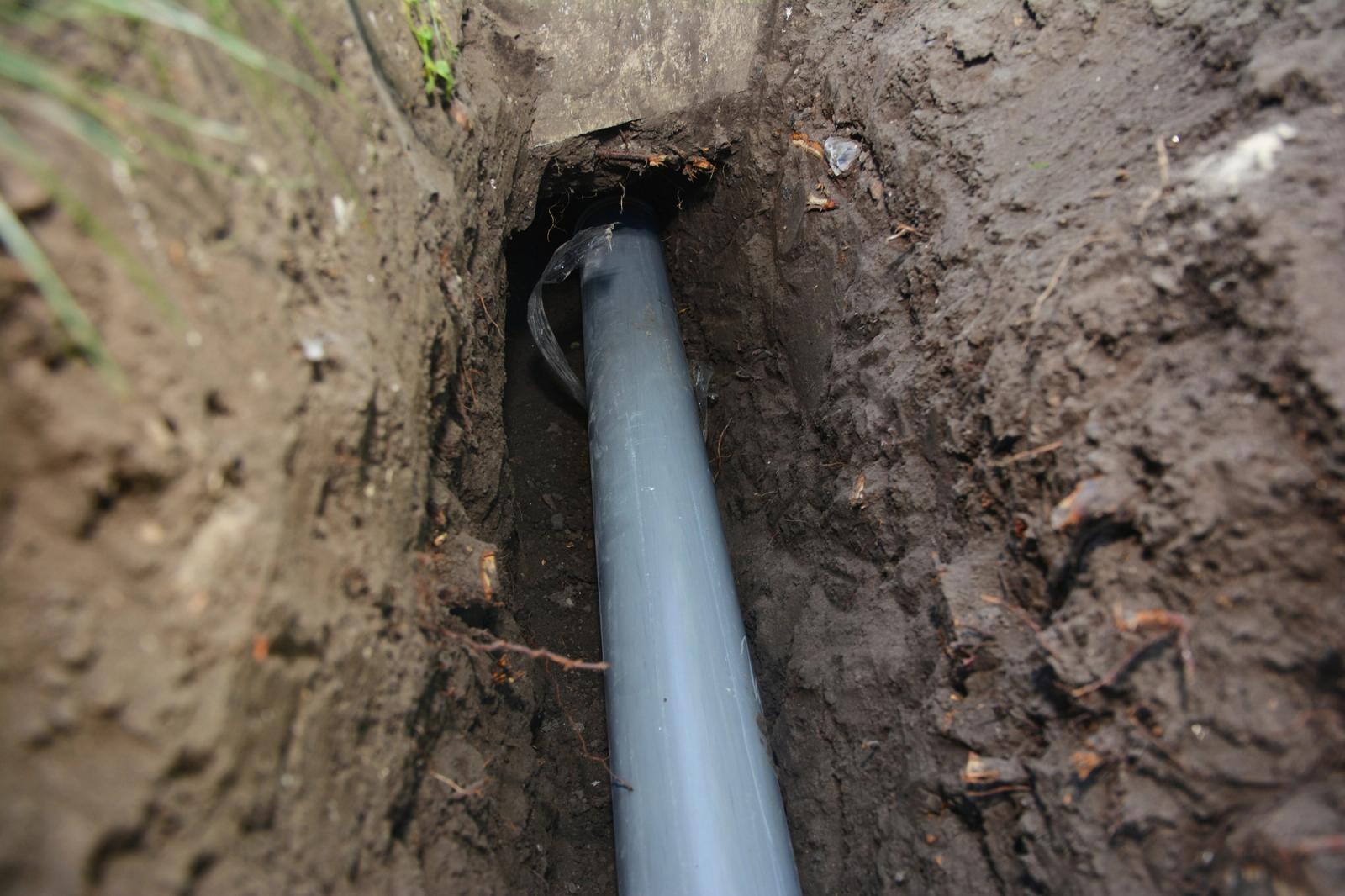
Key Takeaways About Root Intrusion Clearing
Root intrusion clearing removes roots and debris that block sewer laterals and restores flow. This summary is for homeowners and property managers who notice slow drains or yard wetness and need practical next steps.
- Identify signs like slow drains gurgling and soggy patches.
- Prevent regrowth by fixing leaks and adjusting nearby landscaping.
- Avoid DIY hydro-jetting on fragile old clay or cast iron.
- Spot root entry points with a camera inspection and recorded footage.
- Reduce repeat issues with lining spot repairs or section replacement.
- Plan routine inspections and maintenance based on pipe material.
Introduction
Root intrusion clearing is about more than removing a clog from a sewer lateral. Roots can split pipes, redirect flow, and cause repeated backups that damage floors and yards. Homeowners usually notice slow drains, gurgling toilets, or wet spots before a main collapse. Recognizing the problem early can prevent costly repairs and property disruption.
Trees and shrubs seek moisture and oxygen, which sewer lines provide where joints leak or pipes age. Roots enter through small cracks, misaligned joints, or at cleanouts and expand inside the pipe. Once inside, root mass traps solids and creates blockages that grow over months. Clearing a visible clog does not always fix the underlying breach in the pipe.
There are several clearing options from mechanical cutting to chemical treatments and pipe replacement, each with tradeoffs for longevity and cost. Professionals diagnose the issue using camera inspections and recorded footage to confirm root presence and pipe condition. That recorded footage helps decide whether a repair, spot replacement, or full lateral replacement is needed. Knowing the pipe material and depth affects the recommended solution.
Prevention focuses on fixing leaks, replacing failing pipe segments, and changing landscaping near laterals to reduce future intrusion. For properties in Plano, TX and Allen, TX, homeowners often consider tree placement relative to sewer paths. A clear diagnostic report with photos and recommendations gives the homeowner a practical path forward. If you suspect root damage contact a licensed plumber because the issue can pose medium safety and property risks.
How Roots Enter Sewer Lines And Why It Happens
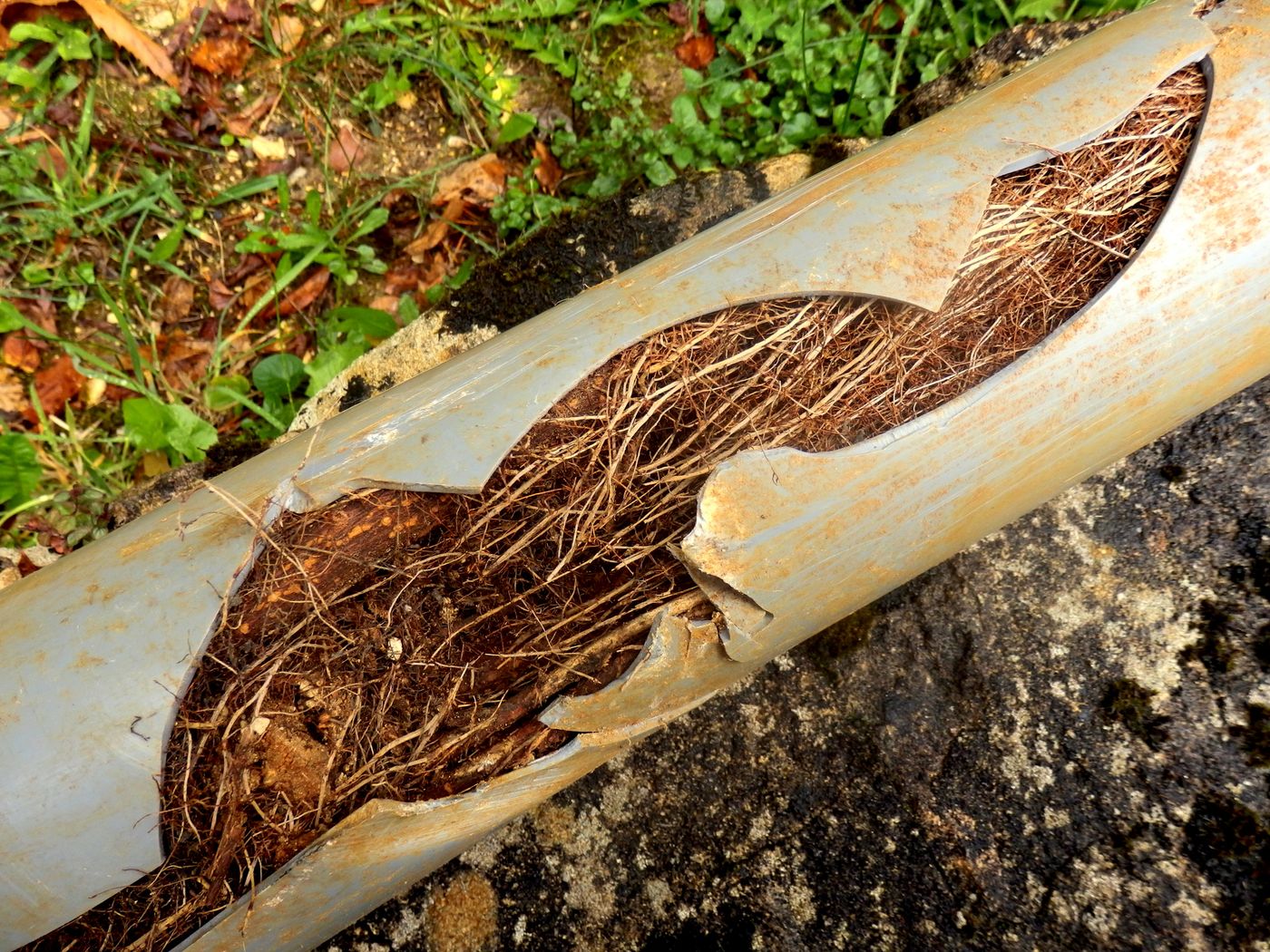
How roots enter sewer lines means roots grow toward moisture and oxygen and penetrate weak pipe points through cracks or joints.
- Roots seek tiny leaks and follow the water flow.
- Older clay and cast iron joints are common entry points.
- Tree species with aggressive roots pose higher risk.
- Nearby plantings increase the odds of intrusion.
Roots first detect moisture from small leaks or porous joints and then invade via the smallest openings they find in a pipe.
When roots enter, they wedge into joints or cracks and expand, which narrows the pipe and traps solids over time.
Homeowners often ask how professionals confirm root intrusion, and the answer is a camera inspection that shows recorded footage of roots inside the pipe.
Inspectors also check cleanouts, measure blockage length, and note pipe material to recommend repair or replacement like a targeted sewer line repair option.
Common Causes And Risk Factors For Intrusion
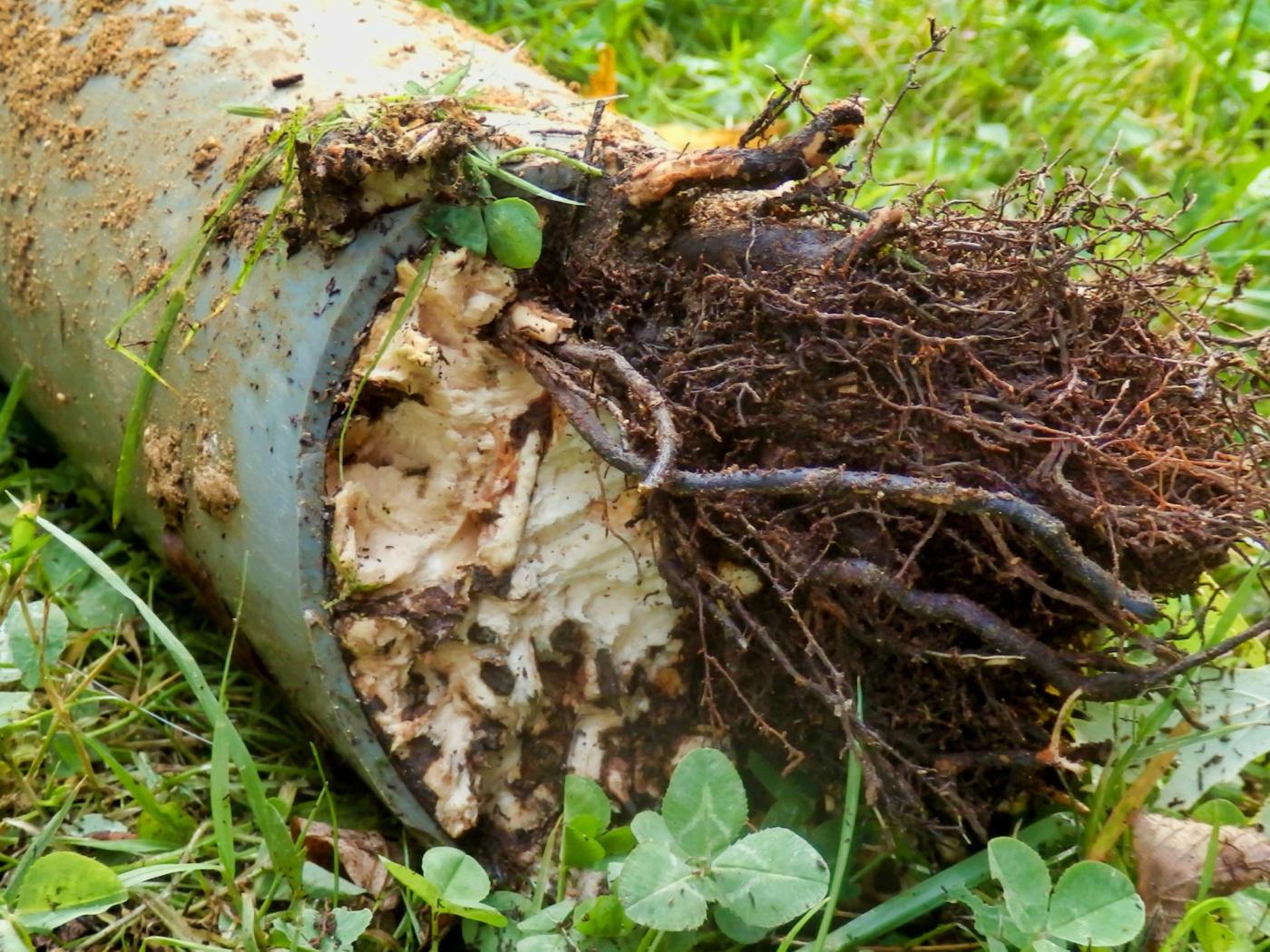
Soil type and moisture patterns around a lateral shape how likely roots will reach the pipe. Clay-heavy or compacted soils force roots to grow laterally seeking oxygen and moisture. Mature trees with large root zones place steady pressure on nearby lines. Newly planted shrubs can also send exploratory roots that find small faults in pipe seals.
Pipe material and age matter significantly for vulnerability to intrusion. Older clay, cast iron, and even some early PVC installations may have more joints or hairline cracks. Mechanical damage from construction or ground settling can create fresh entry points for roots. Incorrectly installed cleanouts or misaligned joints offer direct routes into the flow line.
Plant species and landscape patterns affect risk more than many homeowners expect. Fast-growing maples, willows, and certain ornamental figs tend to send aggressive roots toward water sources. Planting large trees near a sewage lateral increases long-term risk compared with small native shrubs. For properties in Plano, TX you should consider tree placement relative to sewer paths over decades.
Human factors also create higher exposure to root intrusion. Repeated roof irrigation overspray, persistent yard leaks, and broken irrigation heads keep soil wet near pipes. Neglected leaks at a foundation or around a cleanout invite roots by creating local moisture gradients. Homeowners in Allen, TX who notice constant wet patches near a yard drain should have a camera inspection to check for early intrusion.
Existing landscaping choices influence maintenance needs and clearing frequency. Beds with dense plantings may hide wet spots and slow detection of slow drains or odors. Hiring routine sewer cleaning and checks can reduce the chance of large root masses forming. Learn more about professional sewer cleaning options and scheduling through the provider's sewer and water line page.
Early Warning Signs Homeowners Should Recognize
Slow drains that affect multiple fixtures at once often indicate a blockage in the main lateral rather than a single trap or P-trap issue. You might notice toilets that gurgle when a washing machine drains or sinks that back up after yard irrigation runs. A professional will check cleanouts and run a simple dye test at fixtures to confirm external flow paths. If multiple points show symptoms, schedule a diagnostic inspection promptly to avoid worsening damage.
A recurring sewage odor in the yard or near a cleanout can signal an underground leak where roots may be accessing the pipe. Visible wet spots or greener, softer ground over the line are common homeowner observations that deserve attention. Technicians will often perform a camera inspection to look for roots and record footage for diagnosis. That recorded footage clarifies whether the issue is root-related or caused by another defect.
Unusual sink or toilet behavior tied to seasons or irrigation cycles can reveal moisture-driven root growth near the lateral. If problems appear after heavy watering or in rainy months, roots are likely exploiting temporary moisture increases. During inspection, professionals check pipe alignment, joint condition, and the length of any root mass with the camera equipment. If roots are present, the footage helps decide between cutting, chemical treatment, or spot repair.
Slow sewage flow combined with localized sinkholes, sunken patches, or new cracks in hardscaping suggests structural pipe damage. Plumbers may measure flow rates, note backwater valve function, and inspect the cleanout for standing water during diagnosis. Homeowners should watch for these surface changes near sewer routes as early warnings. For property owners, recording symptoms and scheduling a camera inspection using the provider's sewer camera inspection service can speed accurate diagnosis.
DIY Root Intrusion Clearing Options And Limits
Homeowners can try simple mechanical methods for root intrusion clearing before calling a plumber, but limits exist. A hand auger or closet auger can remove small root tangles near fixtures when used carefully. These tools do not reach long lateral sections or remove roots that have grown through joints or cracks. If you try a manual auger and debris returns quickly, the underlying breach likely remains and needs professional attention.
- Use a hand auger for short runs only.
- Avoid forcing an auger past resistance.
- Protect nearby fixtures during work.
- Wear gloves and eye protection.
- Stop if you smell gas or sewage strongly.
Chemical root killers with copper sulfate or dichlobenil can reduce small root masses when used according to label directions. These treatments enter the flow and contact roots but do not repair pipe damage or stop regrowth from the surrounding soil. Homeowners must follow product instructions and local disposal rules to avoid environmental harm. If roots return after treatment, schedule a camera inspection to confirm pipe integrity and root source.
Hydro-jetting provides strong water pressure to cut roots and flush debris, but is not always a DIY option because it needs a proper nozzle and pressure-rated hose. Improper use can damage fragile clay or old cast iron pipes and worsen leaks. Professionals assess pipe material and use recorded footage to decide whether hydro-jetting is safe for your lateral.
Simple diagnostic checks homeowners can do include checking multiple fixtures for slow drains and watching for wet spots in the yard after irrigation. Also test cleanouts for standing water and note whether gurgling sounds happen when appliances run. If these checks show recurring problems, do not rely on repeated DIY clearing attempts. Contact a licensed plumber to perform camera inspection and recommend repair or targeted replacement based on recorded findings.
Professional Clearing Methods And What They Check
Professionals start root intrusion clearing with a camera inspection to see root size, joint gaps, and pipe material before choosing a method. They record footage and note exact footage locations where roots enter and where pipe breaks or offsets appear. Technicians also check cleanouts, vent stacks, and accessible traps to trace how roots affect multiple fixtures in the home. This initial inspection guides whether cutting, chemical treatment, or a repair is safest and most effective.
When cutting roots, plumbers use mechanical cutters or rotor-rooter heads sized to the pipe diameter to shave root mass without destabilizing the pipe. They monitor torque and rotation speed to avoid worsening existing cracks or separations in clay or cast iron lines. After cutting, crews flush debris with controlled water pressure and inspect the cleaned stretch with the camera to verify clearance. Recorded footage documents remaining damage and helps determine if a physical repair is needed.
Hydro-jetting is used selectively based on pipe condition and material assessment from the inspection report; operators adjust pressure to cut roots and remove residue. A plumber will never hydro-jet fragile pipes without first confirming wall thickness and joint integrity with the camera footage. If hydro-jetting is chosen, the technician runs a post-clean camera check to confirm no new leaks or displaced joints occurred. The results inform whether spot repairs or lining should follow the clearing.
If the inspection shows roots repeatedly entering at a crack or joint, professionals discuss repair options including spot replacement or a trenchless liner to seal the pipe internally. They may recommend trenchless pipe repair when the footage shows continuous pipe length suitable for lining without full excavation. A written diagnostic report lists findings, photographed footage stills, and a recommended scope of work including any follow-up checks.
Technicians also check related components like cleanout seals, backwater valves, and the slope of the lateral to ensure clearing will restore proper flow. They take measurements and record whether a backwater valve or check valve might need service to prevent backups after clearing. For long-term protection, the plumber will note root species nearby and suggest targeted landscaping or periodic maintenance intervals. If structural damage appears severe, the professional will advise on full lateral replacement and offer options for minimal yard disruption.
When To Call A Professional For Root Intrusion Clearing
If you notice persistent backups after a recent professional clearing, call a plumber to avoid further pipe damage and property loss. A technician will perform targeted diagnostics such as a camera re-inspection, cleanout pressure check, and localized dye testing to confirm whether roots have re-entered. They also examine connections like the cleanout, backwater valve, and any disturbed joints for signs of ongoing leakage or misalignment. Early professional involvement prevents small breaches from becoming full lateral failures that require excavation.
Call sooner when backups affect multiple fixtures or when yard wetness appears near the sewer path after clearing work finishes. The crew will document recorded footage and use that record to plan the next step, whether it is a targeted spot repair or a lining solution. If pipe walls appear thin or joints are separated, the technician may rule out aggressive hydro-jetting to avoid worsening damage. For homeowners in Plano, TX, this diagnostic documentation helps prioritize repairs versus temporary fixes.
Schedule a visit if a previous chemical or mechanical treatment shows only short-term relief and symptoms return within weeks or months. During the appointment, the plumber inspects root source locations, measures blockage length, and notes pipe material to match repair methods with pipe condition. They may recommend trenchless lining or section replacement when repeated clearings fail to stop intrusion at the same point. For properties in Allen, TX, a focused inspection can identify whether nearby landscaping choices contribute to repeat problems.
If you detect unusual smells, gurgling noises that persist, or new depressions near hardscaping after clearing, contact a licensed plumber immediately. A professional will run flow checks, capture camera footage of the precise defect, and provide a written diagnostic report with repair options. They can also outline a maintenance schedule to reduce the chance of future root returns while addressing any structural pipe issues. When hydro-jetting is considered, ask for a condition-based recommendation referencing appropriate pressure ranges and safety precautions through the provider's hydro-jetting service.
Long Term Prevention Strategies For Sewer Laterals
Stretching protections across the entire lateral reduces repeat root intrusion clearing needs and extends pipe life. One effective approach is installing accessible cleanouts at key points to allow periodic inspections and maintenance. Adding a backwater valve or check valve can prevent sewage backflow while not stopping root growth toward leaks. For long-term planning, document inspection footage and repair locations for future reference.
- Install accessible cleanouts for easier inspections.
- Schedule regular camera inspections every few years.
- Use targeted spot repairs when damage is limited.
- Consider lining to seal continuous pipe segments.
- Replace severely damaged sections when necessary.
A trenchless liner can seal hairline cracks without full excavation and often works well when pipes are continuous. A professional will review camera footage to confirm the pipe length and condition before proposing lining or replacement. If sections show collapse or heavy corrosion, full replacement may be the only durable option available. Homeowners should ask for a written scope that matches the recorded inspection findings.
Landscape adjustments help but do not replace mechanical fixes for damaged laterals. Removing or relocating aggressive trees and replacing them with shallow-root shrubs reduces future invasion pressure near the pipe. Plan any new tree placement based on distance from the sewer path and expected mature root spread to lower long-term risk. In Plano, TX property owners may stage plantings to avoid future conflicts with known lateral routes.
Create a maintenance schedule that pairs irrigation checks with sewer inspections to catch wet spots that encourage root growth. Routine hydro-jetting or mechanical clearing on an interval can be preventive when the pipe condition allows it. If recurring breach points appear, upgrade that section with an internal liner or consider excavation and replacement. For properties in Allen, TX discuss long-term replacement options with a plumber and review the recorded camera footage before deciding.
Landscaping And Maintenance Tips To Reduce Risk
Place trees and large shrubs well away from the expected sewer lateral to reduce long-term root pressure on pipes. Choose plant species with shallow, fibrous root systems instead of aggressive tap-root trees to limit underground intrusion. When planting, mark the lateral route and measure distances from cleanouts and visible utility markers before digging. Keep irrigation heads oriented away from the sewer path to avoid creating persistently wet soil where roots will search for water.
Maintain a routine inspection habit for visible signs like soggy patches or sudden vegetation changes that suggest subsurface leaks. Schedule camera checks after major landscaping changes or every few years if your property has older pipes. Pair those inspections with adjustments to watering frequency during hot months to prevent overly moist soil near the lateral. Homeowners often miss small changes in grass color or softness that foreshadow root access to lines.
Protect cleanouts and access points by keeping them clear of mulch, deep plantings, or heavy pavers that hide damage or interfere with service access. Install a protective collar or small gravel bed around the cleanout to improve drainage and make leaks easier to spot. Avoid planting directly uphill of a cleanout where root zones naturally collect moisture runoff during storms. If you spot unstable soil or new depressions near a cleanout, call a professional to run diagnostics and camera inspection right away.
Use scheduled maintenance plans to reduce surprise repairs and to keep clearing needs minimal over time, professional contracts can include routine flushing and periodic camera checks. Discuss a tailored plan that matches your landscaping layout and pipe material so professionals can set appropriate service intervals.
Inspect irrigation systems quarterly to find leaks or misaligned heads that wet the trench line and encourage root growth toward pipes. Repairing a broken head or rerouting a zone away from the lateral can stop new root encouragement within a single Texas season. Consider replacing high-water-use plants with drought-tolerant varieties to lower subsurface moisture near the sewer path. For properties in Allen, TX, simple irrigation corrections often reduce the pace of root intrusion and limit future clearing frequency.
Frequently Asked Questions
How does root intrusion clearing actually stop backups?
Root intrusion clearing removes the roots and debris that block flow, restoring pipe capacity and preventing backups. Technicians inspect with a sewer camera to confirm the root mass location and severity before treatment. After clearing, they may smooth the pipe or install a liner to reduce new root regrowth and weak joint leaks. If roots recur or the pipe is badly damaged, stop work and call a professional to avoid health and safety risks.
What early signs show roots in my sewer lateral?
Slow drains in multiple fixtures, gurgling toilets, and sewage odors near floor drains can indicate root intrusion in a sewer lateral. You may notice soggy patches or unusually lush grass in the yard above the line where roots reach a leak. A professional inspection with a camera and recorded footage will confirm the issue and show exact intrusion points. If you suspect roots, avoid digging or chemical treatments and call a plumber because open work can pose health and collapse risks.
Which clearing methods prevent repeat root growth?
The most durable methods combine mechanical removal with a targeted chemical root treatment to stop regrowth in the line. Lining the pipe with cured-in-place pipe (CIPP) or installing a new lateral creates a physical barrier against roots and recurring breaches. For severe or recurring intrusion, installing a root-resistant backwater or check valve and regrading near the service can reduce root attraction. If work involves chemicals, confined spaces, or cutting roots near utility lines, use a licensed plumber to protect health and avoid property damage.
How will a pro diagnose root entry and pipe damage?
A technician first interviews the homeowner about smells, slow drains, gurgling, and soggy spots to target inspection areas. They access a cleanout and run a video camera through the lateral to locate roots, cracks, offset joints, or collapsed sections. If the camera shows severe damage, the tech may recommend excavation or a lining repair after documenting recorded footage and measurements. Exercise caution around sewer work and hiring a licensed professional reduces safety and health risks during root intrusion clearing and repair.
When should I consider lining or replacing a lateral?
Consider lining when camera inspection shows localized cracks, offsets, or root entry but the pipe retains its alignment and flow.
Opt for full replacement when sections sag, collapse, or repeated root intrusion clearing fails to stop backups and damage.
A professional will confirm with recorded footage, leak detection, and cleanout access evaluation before recommending either option.
If collapse or sewage exposure is likely, stop use and call a licensed plumber immediately to reduce health and property risks.