












$53OFF
Open now · 24/7 across North Dallas
Water Softener Installation & Repair in North Dallas
Say goodbye to crusty faucets and spotty glasses with a softener sized for your home, installed cleanly and serviced by licensed plumbers.
- Free diagnostic
- Upfront pricing
Trusted & verified
Rated, reviewed and recognized.
Tap any badge to see the listing for yourself.
Quick check
Signs you need water softener installation & repair
Tap anything you’ve noticed at home. If a few of these sound familiar, it’s time for a licensed plumber to take a look.
The bluefrog way
Why North Dallas calls us for water softener installation & repair
Licensed plumbers, a free diagnostic and an upfront price you approve before we start. Every time.
Sized from a real test
We test your water’s hardness and look at your household’s use, so the softener is sized to soften well without wasting salt or water.
Installed for easy service
Every install includes a bypass valve and a proper drain with an air gap, so the system is easy to maintain and works the way it should.
Protects your water heater
Soft water slows sediment and scale in tank and tankless heaters, fixtures and appliances, which means less descaling and fewer hard water repairs.
How it works
Your water softener installation & repair visit, step by step
Test your water
We measure hardness at your tap, ask about household size and water use and look at where the main line enters your home.
Size and price upfront
You get a softener recommendation sized for your home, an honest comparison with any alternatives and an upfront price before we start.
Install with bypass
We install the softener on the main line or existing loop with a bypass valve and a proper drain connection, then program regeneration.
Test and teach
We confirm soft water at the tap, check for leaks and show you how to add salt, use the bypass and spot problems early.
The complete guide
If your faucets wear a white crust, your glass shower door never looks clean and soap seems to vanish without lathering, you’re seeing hard water at work. Water across North Dallas carries dissolved calcium and magnesium picked up from the ground and the lakes that supply it. Hard water isn’t a health hazard, but it’s tough on fixtures, water heaters and appliances, and it makes cleaning harder than it needs to be. bluefrog Plumbing + Drain of North Dallas installs, repairs and maintains water softeners so your plumbing works better and your home is easier to keep clean.

Signs You Have Hard Water
- White, chalky scale on faucets, showerheads and glass shower doors
- Spots and film on dishes and glassware after the dishwasher runs
- Soap and shampoo that don’t lather well, and soap scum in tubs and sinks
- Laundry that feels stiff or looks dull
- Dry-feeling skin and hair after showering
- Water heater popping or rumbling from mineral sediment
- Faucet cartridges, toilet fill valves and appliance valves that wear out early
If you’re seeing several of these, a hardness test will confirm it. We can test your water at your home and explain what the results mean. For background, see our article Is Dallas water hard or soft?
How a Water Softener Works
Most softeners use a process called ion exchange. Water flows through a tank of resin beads that hold sodium or potassium ions. As hard water passes over the beads, calcium and magnesium stick to the resin and are swapped for sodium or potassium. When the resin is full, the softener regenerates by rinsing the beads with salty water from the brine tank and flushing the hardness minerals down the drain.
Salt-Based Softeners vs. Salt-Free Conditioners
Salt-based ion exchange softeners actually remove hardness minerals. Salt-free systems, often called conditioners, change how minerals behave so they’re less likely to form scale, but they don’t remove them, so you won’t get the same slippery feel or spot-free glassware. We’ll explain the difference honestly so you can choose what fits your goals.
Softeners Are Not Filters
A softener targets hardness. It doesn’t remove chlorine or chloramine taste or most other contaminants. Many homes pair a softener with water filtration, such as a carbon filter or a reverse osmosis system at the kitchen sink.
Water Softener Sizing and Installation
A softener that’s too small regenerates constantly and wastes salt. One that’s too large can cost more than it needs to. We size the system based on your water’s hardness, the number of people in your home and how much water you use.
What Every Installation Includes
- A water hardness test and a recommendation sized for your household
- Installation on the main line, usually in the garage. Many North Dallas homes were built with a softener loop already in place, which makes installation simpler.
- A bypass valve so the softener can be serviced without shutting off water to the house
- A proper drain connection with an air gap for regeneration water
- Programming for demand-based regeneration, so the unit regenerates based on actual water use
- A walk-through on adding salt, using the bypass and what to watch for
Replacing an Existing Softener
If you bought a home with an older softener, it may be undersized, poorly maintained or simply worn out. We can evaluate it, repair it if it’s worth saving, or remove it and install a new unit on the existing loop. We’ll also check the bypass, drain line and connections that came with the house.
Outdoor Water and Drinking Water
Hose bibs and irrigation lines are usually left on unsoftened water, since there’s no reason to soften water for your lawn. Some households also keep one kitchen tap on unsoftened or reverse osmosis water for drinking. We’ll talk through these options when planning the install.
Protecting Garage Installations
Softeners in garages can freeze during a hard North Texas freeze. Keeping the garage door closed and insulating exposed lines helps, and our frozen pipe team can help if a softener or its piping is damaged.
How Soft Water Helps Your Water Heater
When hard water is heated, minerals settle out as sediment in tank water heaters and scale in tankless water heaters. That buildup makes heaters work harder, causes noise and can shorten their life. Soft water can greatly slow that process, which means less frequent flushing and descaling and fewer scale-related repairs. If you’re installing a new heater, adding a softener is a smart way to protect it from the start.
Water Softener Maintenance and Repair
Softeners are low maintenance, but not no maintenance:
- Keep salt in the brine tank. Check it monthly and top it off before it runs low.
- Watch for salt bridges. A hard crust can form across the tank, leaving water below it unsalted. If the tank looks full but your water feels hard, gently break up the crust or call us.
- Clean the brine tank occasionally to remove sludge and mushy salt.
- Use the right salt. Clean, high-purity pellets reduce residue in the tank.
We repair softeners that stop softening, run continuously, won’t regenerate, leak or overflow the brine tank. Common causes include a failed control valve, a clogged injector, worn seals or exhausted resin. We’ll tell you whether a repair makes sense or whether replacing an older unit is the better value, with an upfront price for both.
Schedule Water Softener Service in North Dallas
We install and service water softeners in Frisco, Plano, Denton, Lewisville, Carrollton, Prosper, Celina and across North Dallas, including Flower Mound and McKinney. Ask about our bfpad Proactive Protection Program for ongoing maintenance perks. Schedule service online or contact us to book a hard water check.
Service area
Water Softeners across 25 North Texas cities
Our trucks are in these neighborhoods every day, so help is close whether you call at noon or midnight.
From the blog
Helpful water softener installation & repair guides
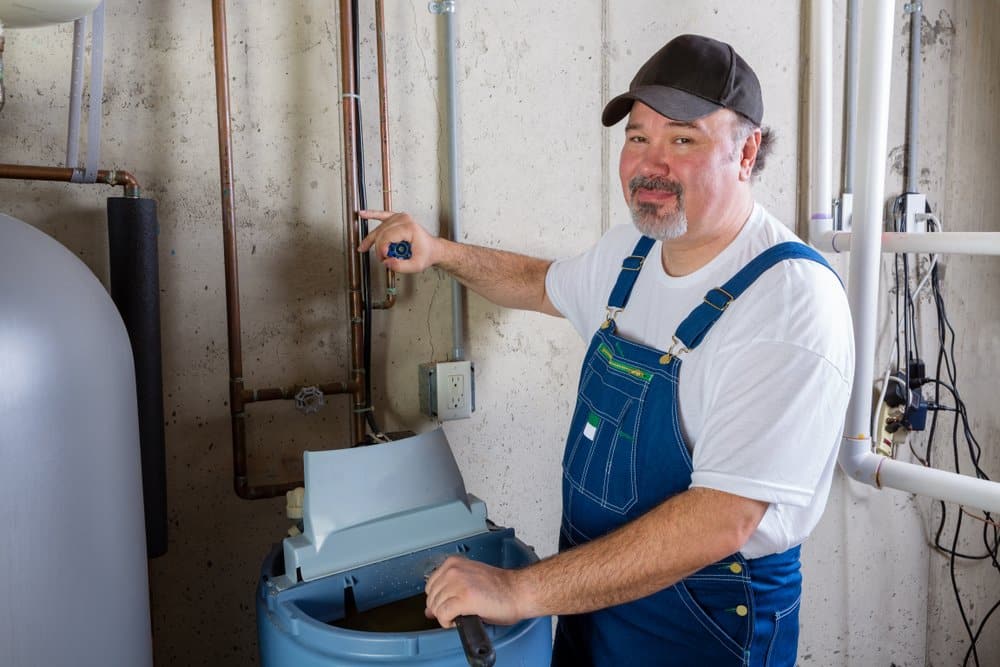 Water ConservationWhy Do I Need a Water Softener in North Dallas?The water here in North Dallas varies significantly depending on the neighborhood and area. Some homes may have soft water whiles others have hard.Read article
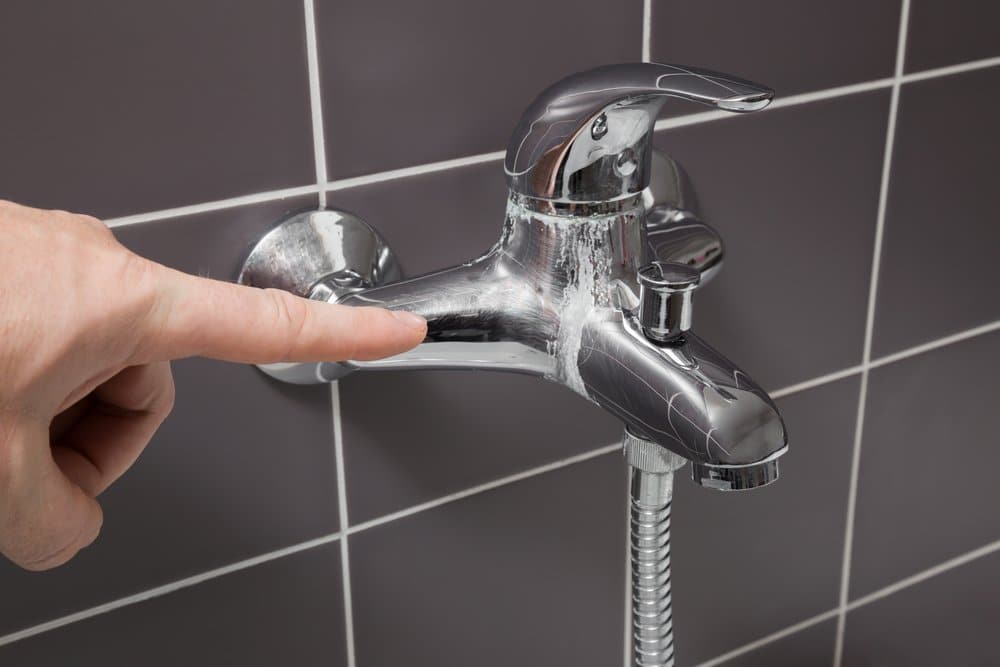 Water HeaterThe Hard Water Problem in North Dallas, TXWhether you recently moved to North Dallas, TX, or have lived here your entire life, chances are you have noticed something is off with the local water supply. You are not alone.Read article
 Water Filtration SystemTop High Efficiency Water Softeners for North Dallas HomesHigh efficiency water softeners are systems that reduce mineral scale while using less salt and water. This guide is for North Dallas homeowners and property managers deciding when to test size or replace a softener.Read article
 UncategorizedWhy More Rowlett Homeowners Are Installing Water Softeners in 2025If you’re dealing with crusty faucets, soap that barely lathers, or dry skin that won’t quit, you’re not alone. Water softener installation Rowlett, TX is becoming a must-have for homeowners in Big Spring who are tired of battling hard water every day.Read article
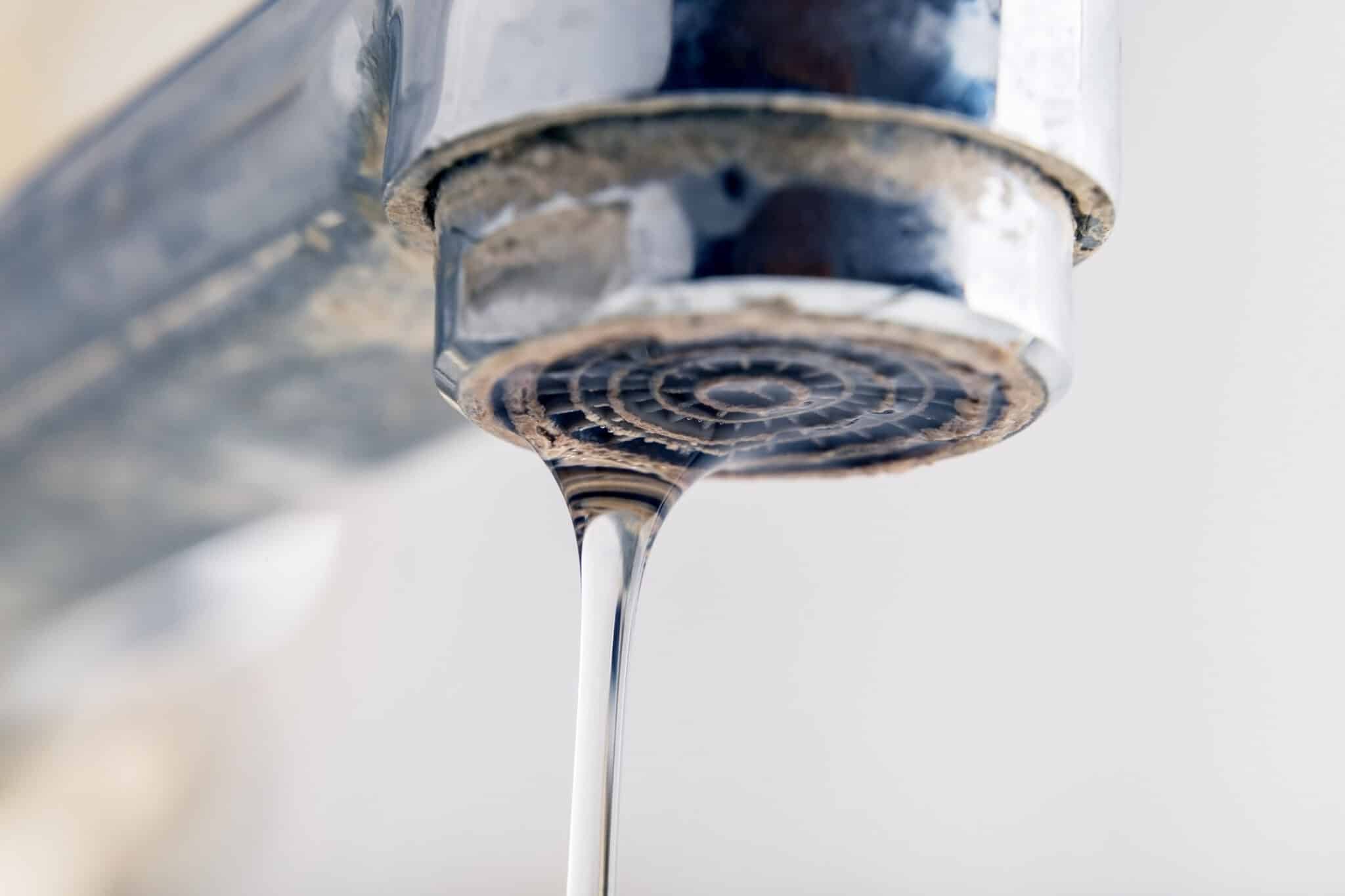 hard waterHow to Manage Hard Water IssuesHave you ever wondered why your soap doesn’t lather well or why your dishes come out with spots? The answer might be hard water.Read article
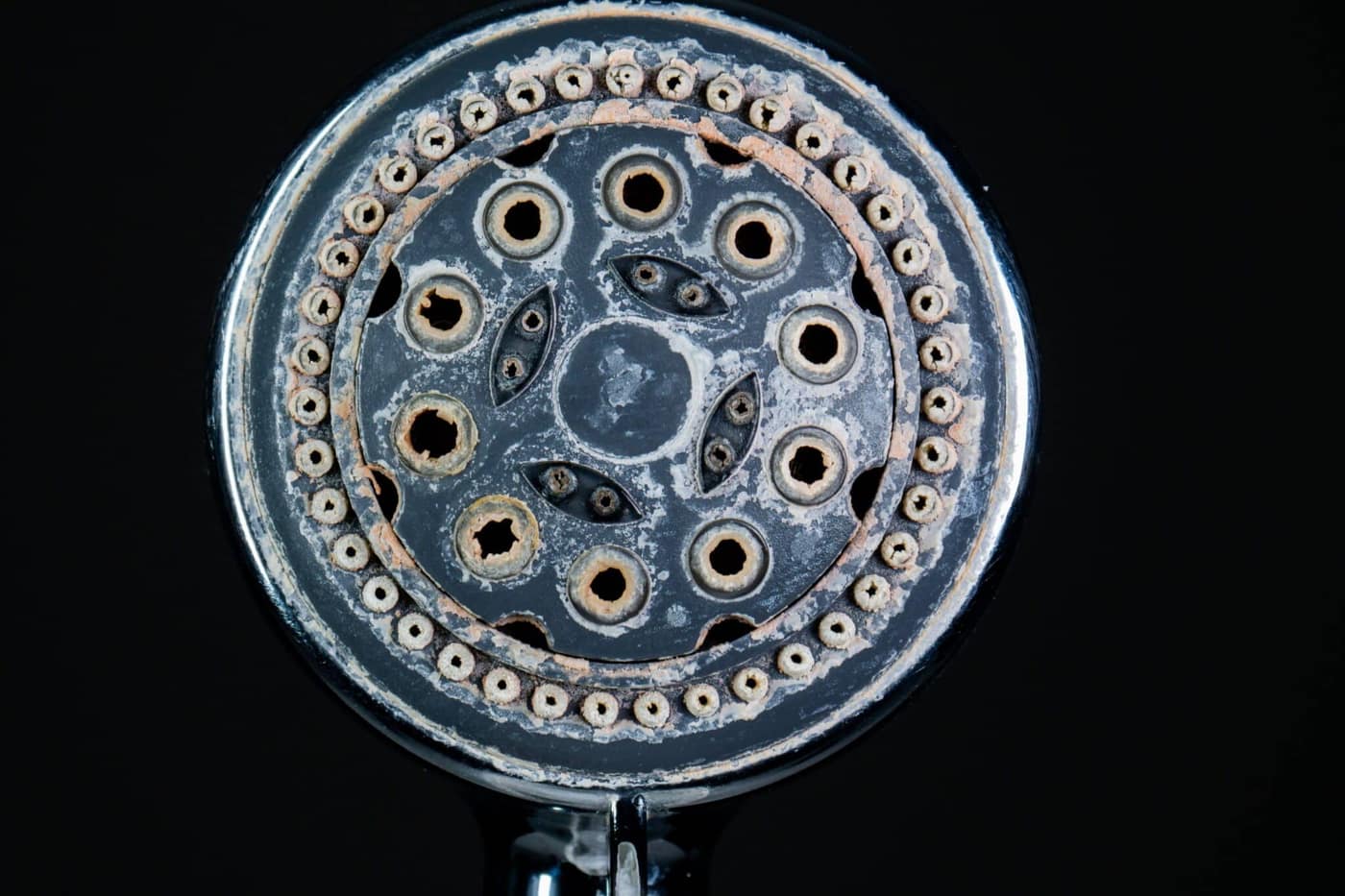 hard waterReducing Mineral Buildup in North Dallas PipesMineral buildup, a frequent issue in North Dallas, results from hard water containing high levels of calcium and magnesium. These minerals gradually accumulate inside pipes, restricting water flow and increasing strain on plumbing systems.Read article
What North Dallas is saying
Neighbors who love their plumber.
 James Houstona week ago
Friendly, professional and efficient. Competitive quote for job😊
 Cynthia Warnera week ago
Martin was so great. You can tell he is extremely knowledgeable, thorough, and kind. We have been using bluefrog for years, and have never had a bad experience. We would highly recommend them!
 Chris Wohletza week ago
Mike was awesome. He got my plumbing issues resolved and answered all my questions. I highly recommend this company.
 Diane Blaukat2 weeks ago
Did excellent job - very complete
 Ronald Romancheka month ago
Blue Frog Plumbing contacted me after I made an inquiry through Angie’s List. I needed a new bathtub faucet and shower head assembly in my 67 year old house. Tim was a skilled pro and thoroughly explained what he could do and provided op…
 Frank DeLauraa month ago
My Bluefrog experience was excellent. My techs, Joseph and Uriel, were both fantastic. They showed up exactly on schedule, were extremely personable, thoroughly explained everything they did, answered all of my questions with knowledge…
 eric Choia month ago
We recently had our plumbing inspection with Sean, and we couldn’t have been more impressed with his professionalism, knowledge, and thoroughness. Sean took the time to carefully explain what he found, answer every question we had, and…
Questions, answered
Water Softeners FAQs
Don’t see your question? Call (469) 214-2582. Phones answered 24/7.
How does a water softener work?
Most softeners use ion exchange. Resin beads trade sodium or potassium ions for the calcium and magnesium that make water hard. When the beads are full, the system regenerates with salty brine and flushes the hardness minerals down the drain.
Is hard water bad for my plumbing?
Hard water isn’t a health risk, but it leaves scale inside water heaters, faucets, valves and appliances. Over time that buildup can reduce efficiency and cause parts to wear out sooner. It also makes cleaning showers, sinks and glassware harder.
Is softened water safe to drink?
For most people, yes. Softening adds a small amount of sodium, or potassium if you use potassium chloride. If you’re on a sodium-restricted diet, ask your doctor, and consider keeping a drinking tap on unsoftened or reverse osmosis water.
How often do I need to add salt?
It depends on your water hardness, household size and the softener. Check the brine tank monthly and top it off before it runs low. If salt use suddenly drops or jumps, the softener may need service.
Do salt-free water conditioners work?
Salt-free conditioners can reduce scale formation, but they don’t remove hardness minerals the way an ion exchange softener does. You won’t get the same spot-free glassware or slippery soft-water feel. We’ll explain the trade-offs so you can decide.
Will a water softener remove chlorine or other contaminants?
No. A softener is designed to remove hardness minerals. To reduce chlorine or chloramine taste and other contaminants, pair it with carbon filtration or a reverse osmosis system.
Why is my water hard again even though I have a softener?
Common causes include an empty brine tank, a salt bridge, a bypass valve left open, incorrect settings or a failed control valve. Resin can also wear out on older systems. A service visit can pinpoint the cause.
Where is a water softener installed?
Usually on the main water line where it enters the home, which in many North Dallas houses is the garage. Many homes already have a softener loop plumbed in. The unit also needs a drain for regeneration and, for most models, an electrical outlet.
Need water softener installation & repair? We’re ready right now.