











$53OFF
Open now · 24/7 across North Dallas
Sump Pump Installation & Repair in North Dallas
Keep basements, crawl spaces and low areas dry with a sump pump that’s sized right, installed right and ready when the next storm rolls in.
- Free diagnostic
- Upfront pricing
Trusted & verified
Rated, reviewed and recognized.
Tap any badge to see the listing for yourself.
Quick check
Signs you need sump pump installation & repair
Tap anything you’ve noticed at home. If a few of these sound familiar, it’s time for a licensed plumber to take a look.
The bluefrog way
Why North Dallas calls us for sump pump installation & repair
Licensed plumbers, a free diagnostic and an upfront price you approve before we start. Every time.
Free diagnostic first
We test the pump, float switch, check valve and discharge line before recommending anything, so you know whether a repair will do or replacement makes more sense.
Backup options for storms
Storms that bring heavy rain can also knock out power. We can talk through battery backup pumps and high-water alarms for added protection.
Discharge routed the right way
We route discharge lines away from your foundation and follow local rules, since many cities don’t allow sump pumps to drain into the sanitary sewer.
How it works
Your sump pump installation & repair visit, step by step
Free diagnostic
We inspect the pump, float switch, check valve, discharge line, power supply and pit, and ask how water behaves during storms.
Options and upfront price
We explain whether a repair, replacement or new installation makes the most sense and give you an upfront price before any work begins.
Install or repair
We repair or replace components, or install a properly sized pump, basin and discharge line that carries water away from your foundation.
Test and clean up
We fill the pit to confirm the pump starts, empties and shuts off correctly, check the discharge, then clean the work area.
The complete guide
Most North Texas homes are built on slab foundations, so sump pumps aren’t as common here as they are in other parts of the country. But for homes and businesses with basements, crawl spaces, below-grade garages, elevator pits or low-lying areas that collect water, a working sump pump can be the difference between a dry space and costly water damage. bluefrog Plumbing + Drain of North Dallas installs, repairs and replaces sump pumps for properties in Highland Park, University Park, Rockwall, Rowlett, Flower Mound, Highland Village and throughout the area.
Why Sump Pumps Matter in North Texas
North Texas weather swings between drought and heavy spring and fall storms. Our expansive clay soil absorbs water slowly, so after a big rain, water can collect around foundations and below-grade spaces instead of draining away. Clay soil also swells when wet, adding pressure against basement walls and floors.
How a Sump Pump Works
A sump pump sits in a basin, or sump pit, at the lowest point of the space. As groundwater or drainage water fills the pit, a float switch turns the pump on and sends the water out through a discharge line, away from the foundation. A check valve keeps pumped water from flowing back into the pit. Sump pumps are also used to manage water in crawl spaces, window wells, mechanical rooms and commercial spaces with below-grade equipment.
Common Pump Types
- Submersible pumps sit inside the pit, run quietly and are common in finished basements.
- Pedestal pumps keep the motor above the pit, which can make service easier in tight spaces.
- Battery backup pumps run when the main pump loses power or can’t keep up.
The right choice depends on the size of the space, how much water comes in and how the pit is set up.
Signs Your Sump Pump Needs Repair
Sump pumps often sit unused for long stretches between storms, so problems may not show up until the moment you need the pump most. Watch for visible rust or corrosion, a float switch that sticks or hangs up on the side of the pit, and an older pump that has never been tested or serviced. Water around the pit or a musty smell in a basement or crawl space are also worth a closer look.
If you’ve just moved into an older home with a basement or crawl space, ask whether the pump has been serviced recently. Many homeowners don’t know how old their pump is until it stops working. Testing it before storm season is a smart habit.
Our Sump Pump Services
Inspection and Diagnosis
We start with a free diagnostic. We check the pump, float switch, check valve, discharge line and power supply, and we look at the pit for debris or silt that can clog the pump.
Sump Pump Repair or Replacement
Some problems, such as a stuck float, a failed check valve or a clogged discharge line, can be repaired. If the motor is failing, the pump is undersized for the water volume or it’s simply worn out, replacement is usually the better choice. We explain the options and give you upfront pricing before any work begins.
New Sump Pump Installation
For new systems, we help choose the right type and capacity of pump, install the basin and discharge piping and route the water away from your foundation. We handle any required permits and city inspections. Discharge lines shouldn’t be connected to the sanitary sewer in many cities, so we route them according to local rules.
Backup Pumps and Alarms
We can discuss battery backup pumps and high-water alarms that add a layer of protection when the primary pump can’t keep up or loses power.
Routine Maintenance
A maintenance visit typically includes cleaning debris and silt from the pit, testing the float switch and pump operation, checking the check valve and confirming the discharge line is clear and draining away from the foundation.
Sump Pump Care You Can Do Yourself
- Test it a few times a year. Slowly pour water into the pit until the float rises and confirm the pump starts, empties the pit and shuts off.
- Keep the pit clear of debris, toys and anything that could jam the float.
- Check the discharge outlet outside to make sure it isn’t blocked by leaves, mulch or soil, and that water flows away from the house.
- Protect the outdoor discharge line before hard freezes. A frozen line can leave the pump with nowhere to send water.
- Plug the pump into a working outlet and avoid running it on a long extension cord.
Always unplug the pump before reaching into the pit. If anything seems wrong, call a licensed plumber rather than taking the pump apart.
If the Pump Fails During a Storm
- Stay out of standing water if outlets, cords or equipment could be submerged. Shut off power to the area at the breaker only if you can do so safely.
- Check whether the pump lost power or a breaker tripped.
- Move valuables and stored items off the floor.
- Call us. We’re available 24/7.
Related Drainage and Water Services
Water problems in below-grade spaces don’t always come from groundwater. A backed-up floor drain may point to a clog or a sewer line issue, which our drain cleaning team can identify. Hidden plumbing leaks can also add water to a crawl space, and our leak detection and repair team can track them down. For commercial properties, we can also help with backflow prevention and other code-related plumbing needs.
If your sump pump has stopped working during a storm, call our 24/7 emergency plumbing team. For installation, maintenance or a pre-storm checkup, schedule service online or contact us.
Service area
Sump Pumps across 25 North Texas cities
Our trucks are in these neighborhoods every day, so help is close whether you call at noon or midnight.
From the blog
Helpful sump pump installation & repair guides
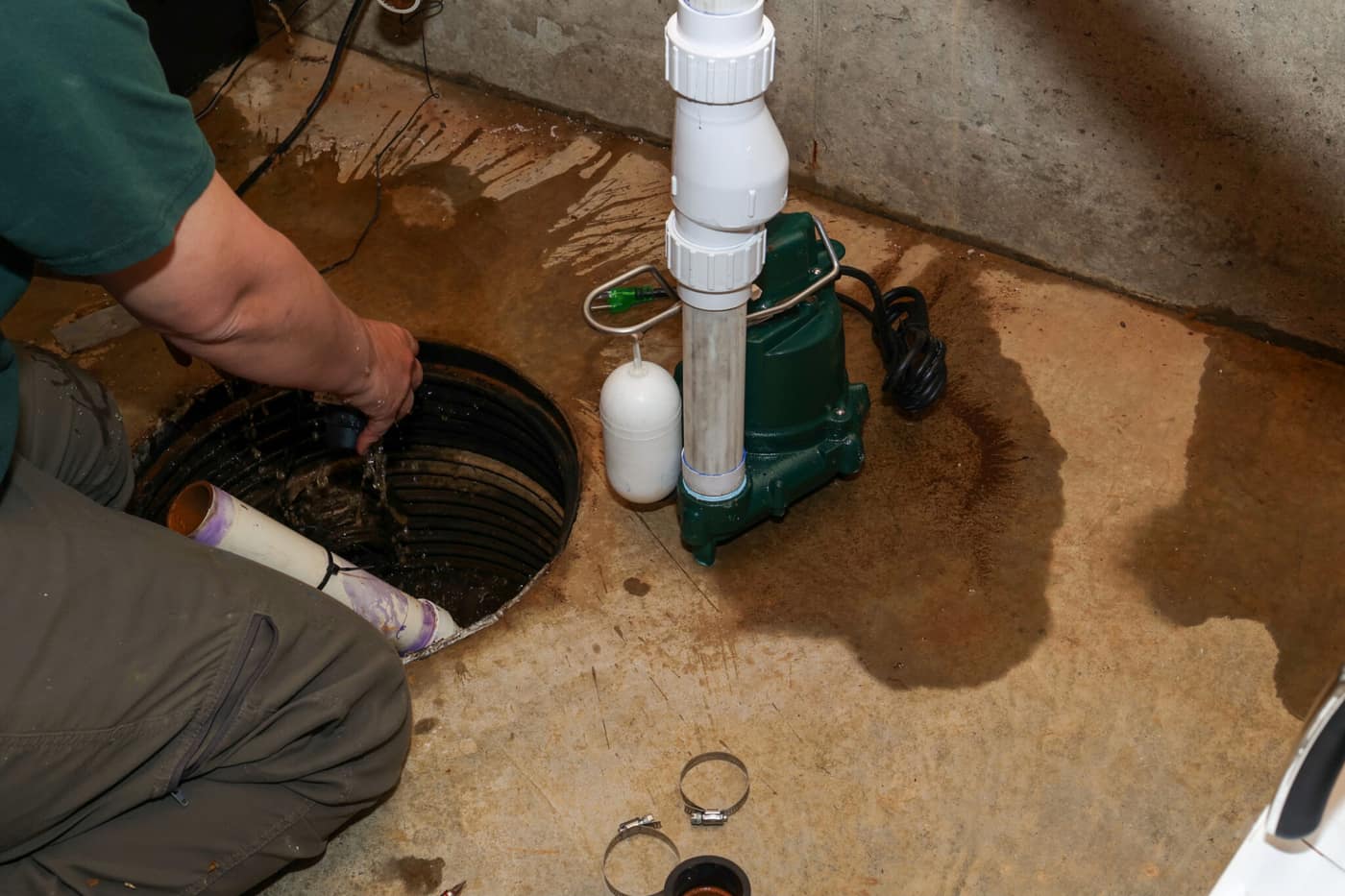 plumbing maintenanceSump Pit Upgrade That Boosts Pump PerformanceA sump pit upgrade means changing pit depth shape or components to improve pump operation. This summary is for homeowners and property managers who hear noise cycling or see repeated pump starts during storms.Read article
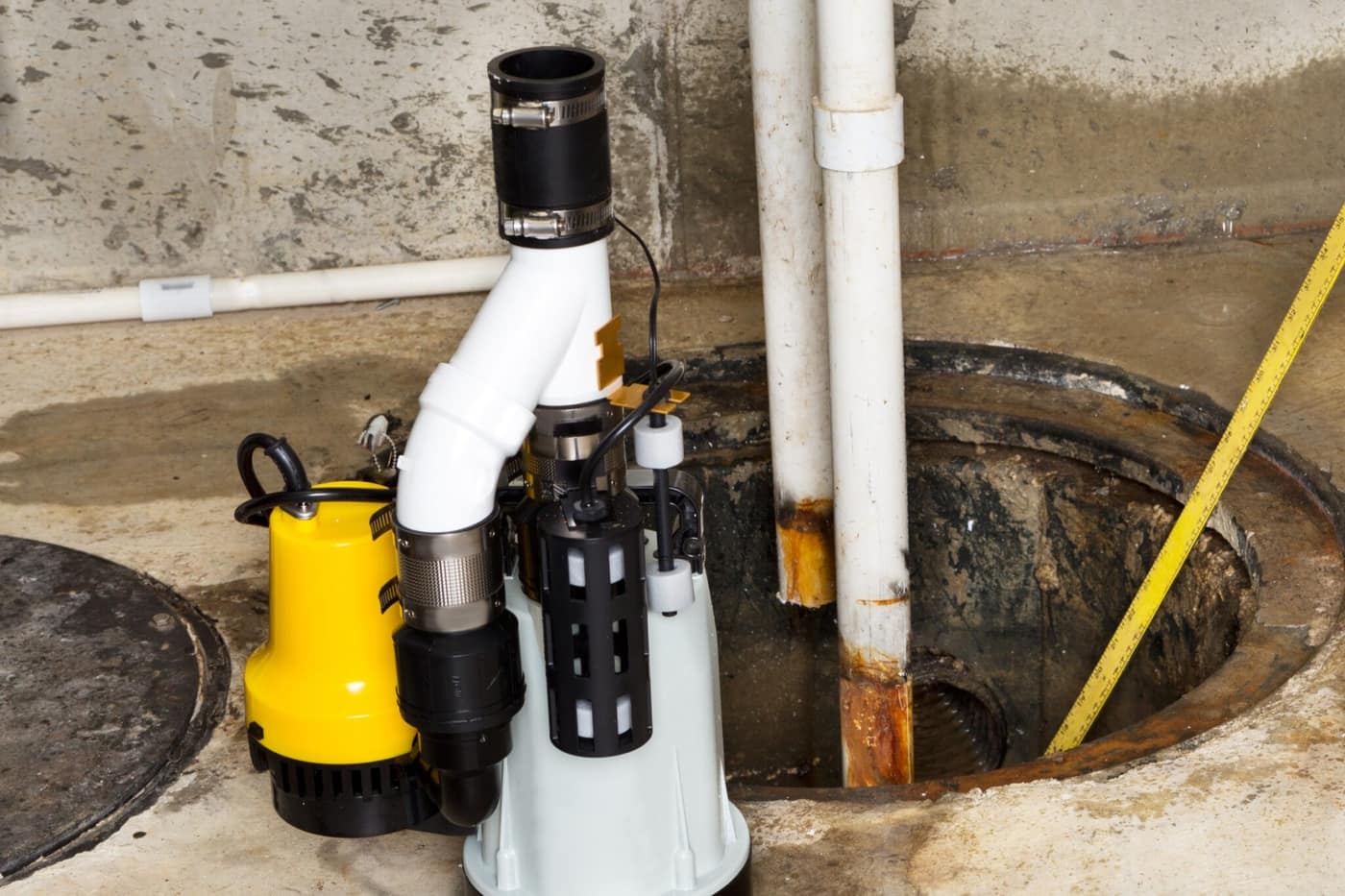 plumbing maintenanceSump Pump Check Valve – Why It Matters in Heavy RainsA sump pump check valve is a one-way device that keeps discharged water from returning to the pump pit. This summary is for homeowners and property managers who need clear signs and actions during heavy rains and short-cycling events.Read article
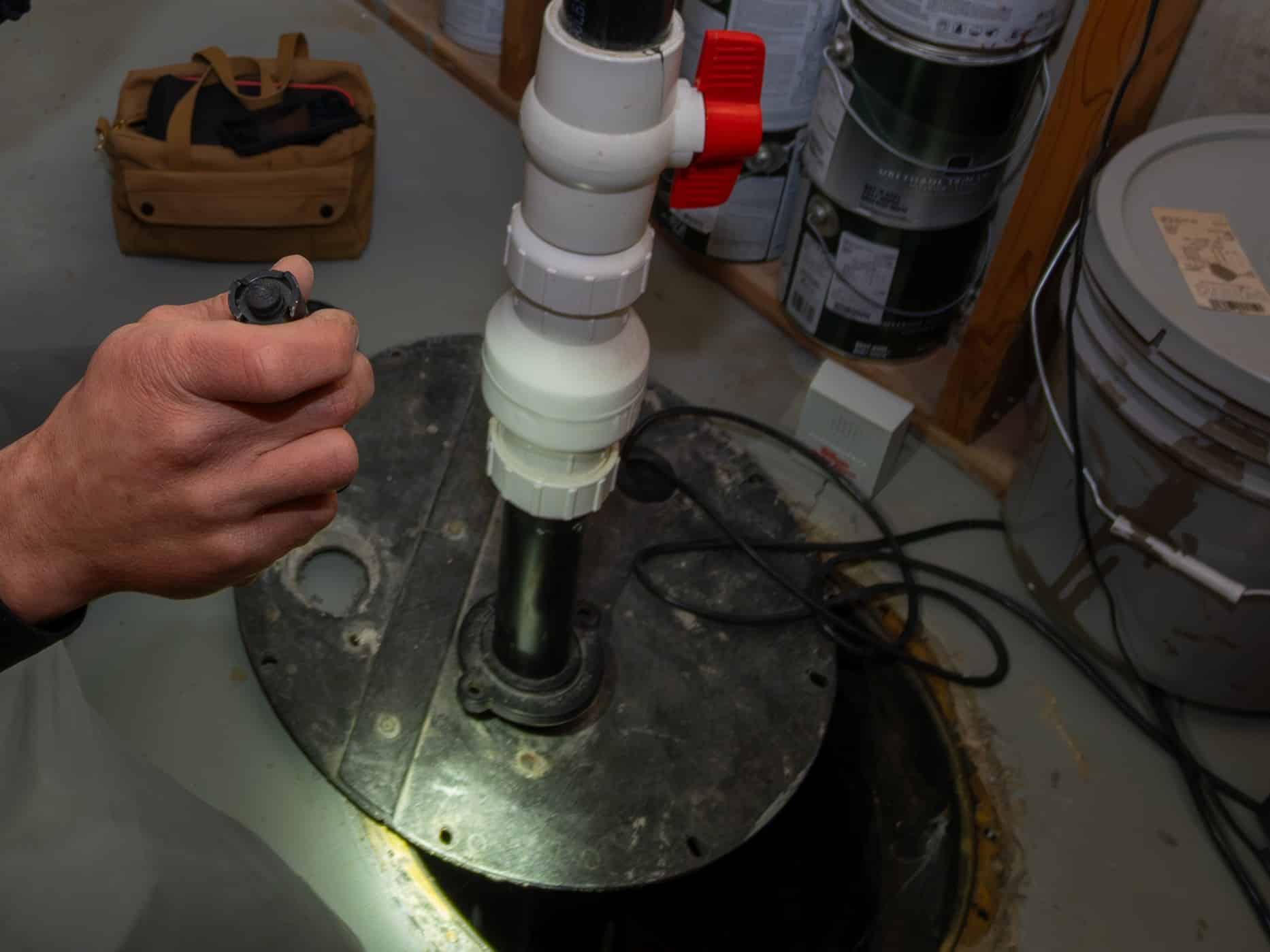 PlumbingMastering Sump Pump Maintenance in IrvingWelcome to the world of sump pump maintenance, a crucial aspect of home care for residents in Irving, TX. Sump pumps play a vital role in preventing water damage and flooding, especially during the rainy season.Read article
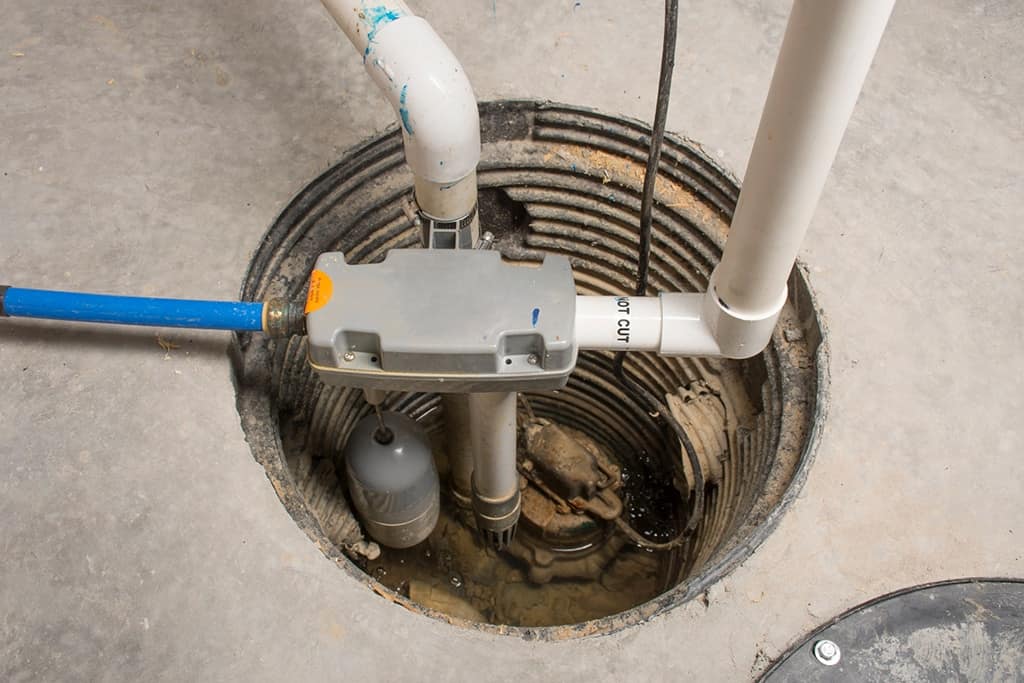 plumberWhat Causes A Sump Pump To Run Continuously? A Plumber Can Help | Irving, TXAs most people in Texas know by now, snow and rain can pile up quickly and when it does the water has to go somewhere. This is why many local residents have a sump pump near their basement or garage.Read article
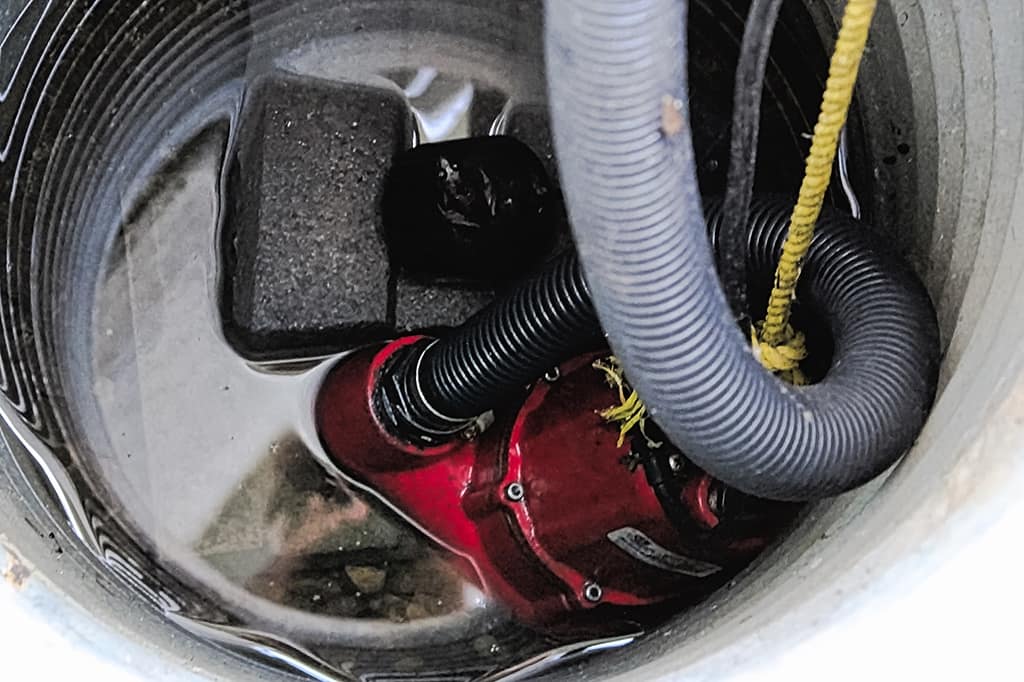 plumber8 Signs You Need To Have A Plumber Replace Your Sump Pump | Irving, TXIf your basement keeps flooding, installing a sump pump will be the best solution. This is why most homeowners have this device in their homes.Read article
What North Dallas is saying
Neighbors who love their plumber.
 James Houstona week ago
Friendly, professional and efficient. Competitive quote for job😊
 Cynthia Warnera week ago
Martin was so great. You can tell he is extremely knowledgeable, thorough, and kind. We have been using bluefrog for years, and have never had a bad experience. We would highly recommend them!
 Chris Wohletza week ago
Mike was awesome. He got my plumbing issues resolved and answered all my questions. I highly recommend this company.
 Diane Blaukat2 weeks ago
Did excellent job - very complete
 Ronald Romancheka month ago
Blue Frog Plumbing contacted me after I made an inquiry through Angie’s List. I needed a new bathtub faucet and shower head assembly in my 67 year old house. Tim was a skilled pro and thoroughly explained what he could do and provided op…
 Frank DeLauraa month ago
My Bluefrog experience was excellent. My techs, Joseph and Uriel, were both fantastic. They showed up exactly on schedule, were extremely personable, thoroughly explained everything they did, answered all of my questions with knowledge…
 eric Choia month ago
We recently had our plumbing inspection with Sean, and we couldn’t have been more impressed with his professionalism, knowledge, and thoroughness. Sean took the time to carefully explain what he found, answer every question we had, and…
Questions, answered
Sump Pumps FAQs
Don’t see your question? Call (469) 214-2582. Phones answered 24/7.
Do homes in North Dallas need sump pumps?
Most slab-foundation homes in North Dallas don’t need one. Sump pumps are most useful for homes and businesses with basements, crawl spaces, below-grade garages or low areas where water collects after heavy rain. If water regularly pools in or around a below-grade space, a sump pump may help.
How often should a sump pump be tested?
A good rule is to test it a few times a year and before storm season. If the pump doesn’t start, struggles to empty the pit or won’t shut off, schedule a service visit before the next big rain.
Why does my sump pump run all the time?
Constant running can be caused by a stuck float switch, a failed check valve that lets water flow back into the pit, a pump that’s too small for the water volume or a high water table after heavy rain. A diagnostic visit can identify the cause.
Can a sump pump drain into my sewer line?
In many cities, sump pump discharge isn’t allowed to connect to the sanitary sewer, because it can overload the system. Discharge is usually routed outdoors, away from the foundation. We follow local requirements when installing or rerouting a discharge line.
Do I need a battery backup sump pump?
A battery backup is worth considering if your space floods quickly or if storms in your area often cause power outages. It runs when the main pump loses power or can’t keep up. We can help you decide whether it makes sense for your property.
Should I repair or replace my sump pump?
Simple issues like a stuck float, a clogged discharge line or a bad check valve can often be repaired. If the motor is failing, the pump can’t keep up with the water or it’s old and has never been serviced, replacement is usually the more reliable choice. We’ll explain both options with upfront pricing.
What affects the cost of a sump pump installation?
The type and capacity of the pump, whether a new pit needs to be dug, how far the discharge line must run, whether a backup pump or alarm is added and any required permits all play a role. You’ll get an upfront price before we begin.
Need sump pump installation & repair? We’re ready right now.