











$83or it’s FREE
Open now · 24/7 across North Dallas
Tree Root Removal from Sewer Lines in North Dallas
Roots clogging your main line? We cut them out, show you where they got in on camera and help you keep them from coming back.
- Free diagnostic
- Upfront pricing
Trusted & verified
Rated, reviewed and recognized.
Tap any badge to see the listing for yourself.
Quick check
Signs you need tree root removal from sewer lines
Tap anything you’ve noticed at home. If a few of these sound familiar, it’s time for a licensed plumber to take a look.
The bluefrog way
Why North Dallas calls us for tree root removal from sewer lines
Licensed plumbers, a free diagnostic and an upfront price you approve before we start. Every time.
We Find the Entry Points
A camera inspection shows exactly where roots are getting in and how much damage they’ve caused, so you know whether cleaning alone will hold.
Right Tool for Growth
We match the method to what we see, using mechanical root cutters for most blockages and hydro jetting when heavy growth or grease coats the pipe.
A Plan, Not Repeat Calls
After clearing the line, we explain long-term choices, from scheduled maintenance to lining, so you’re not stuck calling for the same clog every season.
How it works
Your tree root removal from sewer lines visit, step by step
Camera Inspection
We send a camera through the cleanout to confirm roots are the cause, see how dense the growth is and note each joint or crack they entered.
Cut and Clear
We cut root masses with a mechanical cutter or scour the pipe with hydro jetting, flushing fragments and debris out to the city main.
Verify the Line
A second camera pass confirms the pipe is open and shows the condition of the entry points now that the roots are out of the way.
Plan Prevention
We explain maintenance, root treatment, spot repair or lining options with upfront pricing, so you can choose how to keep roots out long term.
The complete guide
Mature trees are one of the best things about established North Dallas neighborhoods, but their roots are also one of the most common causes of sewer line blockages. Roots are drawn to the moisture and nutrients inside sewer pipes, and once they find a way in, they can grow into dense masses that slow or stop your drains.
bluefrog Plumbing + Drain of North Dallas removes roots from sewer lines and helps homeowners in Highland Park, University Park, Richardson, Garland, Irving and nearby communities keep them from coming back. Our licensed plumbers start with a free diagnostic, show you what’s happening on camera and give you upfront pricing before any work begins.
How Tree Roots Get Into Sewer Lines
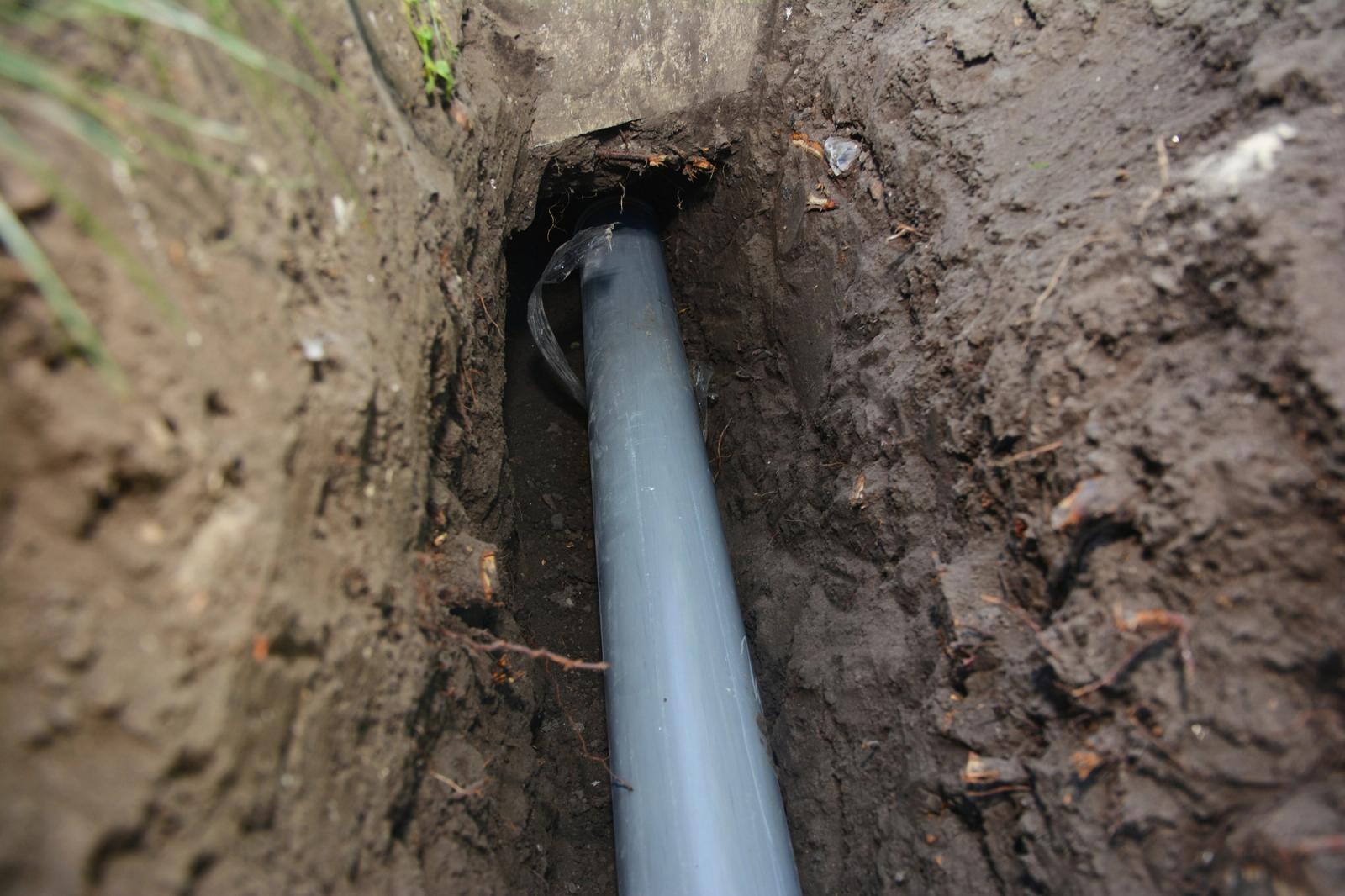
Roots don’t usually break into a healthy pipe. They find small openings, such as cracked pipe, loose joints or failing seals, and follow the moisture inside. Once in, fine hair-like roots spread and thicken, catching toilet paper, grease and debris until a clog forms. Over time, growing roots can widen cracks and even break or crush the pipe.
Why Root Intrusion Is Common in North Texas
- Mature trees: Oak, elm, pecan and other large shade trees have extensive root systems that can reach well beyond the canopy.
- Older pipe materials: Clay sewer pipe in many pre-1990 homes has joints every few feet, and cast iron can crack as it corrodes.
- Expansive clay soil: As the ground swells and shrinks, pipe joints can shift and open up, giving roots an easy entry point.
- Dry spells: During North Texas droughts and hot summers, trees search harder for water, and a leaking sewer line is an inviting target.
Your Tree or Your Neighbor’s?
Roots don’t respect property lines. A tree next door or a parkway tree near the street can send roots into your sewer lateral. In most North Texas cities, the homeowner is responsible for the sewer line from the house to the city connection, wherever the roots come from, while the city handles the main. We can help you confirm where that dividing point is for your property.
Warning Signs of Root Intrusion
- Slow drains in multiple fixtures, especially toilets, tubs and floor drains on the lowest level
- Gurgling sounds from drains or toilets
- Clogs that return every few months, often worse in late summer and fall
- Sewage backing up into a tub, shower or floor drain
- Sewer odors inside the home or in the yard
- Unusually lush or wet patches of lawn along the sewer line path
If your main line keeps clogging, roots are one of the first things we look for.
Our Sewer Root Removal Process
Camera Inspection
We start with a sewer camera inspection to confirm that roots are the problem and to see where they are entering the line. This tells us how heavy the root growth is and whether the pipe itself has been damaged. If the line is fully blocked, we may clear a path first so the camera can get through.
Root Cutting and Cleaning
For many root blockages, we use a mechanical cutter on a drain cable to cut through and remove root masses. For heavier growth or lines with grease and scale buildup, hydro jetting can scour the pipe walls and flush out root fragments. We choose the method based on what the camera shows and the condition of your pipe, since very fragile pipe needs a gentler approach.
Verify and Recommend
After clearing the line, we often run the camera again to confirm the pipe is open and to check the entry points. We then explain what we found, with upfront pricing for any follow-up work you may want to consider.
Clearing Roots vs. Fixing the Pipe
Cutting roots restores flow, but if the openings in the pipe remain, roots will usually grow back over time. That is why we talk with you about long-term options:
- Scheduled maintenance: Periodic drain cleaning can keep regrowth under control when the pipe is otherwise in fair condition.
- Root treatments: In some situations, a root-inhibiting treatment applied to the line may slow regrowth.
- Spot repair: If roots enter at one or two points, repairing those sections can close the openings.
- Lining or replacement: When roots have invaded many joints or the pipe is cracked along its length, trenchless sewer repair or sewer line replacement provides a more permanent fix.
We will give you an honest recommendation based on your camera footage, not a one-size-fits-all answer.
What Affects the Cost
The price of root removal depends on how accessible your cleanout is, how dense and far along the root growth is, whether jetting is needed, and whether a camera inspection or follow-up repairs are part of the plan. You’ll know the price before we start.
What Homeowners Can Do
- Know where your sewer cleanout is and keep it accessible.
- Keep wipes, grease and paper towels out of drains, since they catch on roots and speed up clogs.
- When planting, keep large trees away from the sewer line path. A plumber or arborist can help you locate it first.
- Be cautious with store-bought root killers. Some may slow growth, but they won’t clear an existing blockage and some can be harsh on older pipes.
- Don’t wait for a full backup. Slow, gurgling drains are the time to call.
Schedule Root Removal in North Dallas
If your drains are slowing down or backing up, don’t wait for roots to block the line completely. A sewer backup is a health hazard and can damage floors and belongings. Our licensed plumbers answer 24/7 for urgent backups. For routine root removal, schedule service online, contact us or call (469) 214-2582 to book a free diagnostic.
We serve homeowners and businesses across Plano, Frisco, Carrollton, Coppell, Addison and the rest of North Dallas, including tree-lined neighborhoods in Richardson and Garland, and we can set up a maintenance plan for root-prone lines.
Service area
Tree Root Removal across 25 North Texas cities
Our trucks are in these neighborhoods every day, so help is close whether you call at noon or midnight.
From the blog
Helpful tree root removal from sewer lines guides
What North Dallas is saying
Neighbors who love their plumber.
 James Houstona week ago
Friendly, professional and efficient. Competitive quote for job😊
 Cynthia Warnera week ago
Martin was so great. You can tell he is extremely knowledgeable, thorough, and kind. We have been using bluefrog for years, and have never had a bad experience. We would highly recommend them!
 Chris Wohletza week ago
Mike was awesome. He got my plumbing issues resolved and answered all my questions. I highly recommend this company.
 Diane Blaukat2 weeks ago
Did excellent job - very complete
 Ronald Romancheka month ago
Blue Frog Plumbing contacted me after I made an inquiry through Angie’s List. I needed a new bathtub faucet and shower head assembly in my 67 year old house. Tim was a skilled pro and thoroughly explained what he could do and provided op…
 Frank DeLauraa month ago
My Bluefrog experience was excellent. My techs, Joseph and Uriel, were both fantastic. They showed up exactly on schedule, were extremely personable, thoroughly explained everything they did, answered all of my questions with knowledge…
 eric Choia month ago
We recently had our plumbing inspection with Sean, and we couldn’t have been more impressed with his professionalism, knowledge, and thoroughness. Sean took the time to carefully explain what he found, answer every question we had, and…
Questions, answered
Tree Root Removal FAQs
Don’t see your question? Call (469) 214-2582. Phones answered 24/7.
How do I know if tree roots are clogging my sewer line?
Recurring clogs in the main line, gurgling drains and backups in low fixtures are common signs, especially in homes with large trees nearby. The only way to confirm roots is a sewer camera inspection, which shows exactly where roots are entering and how severe the growth is.
Will roots grow back after they are removed?
Often, yes. Cutting roots clears the blockage, but if the crack or joint they came through is still open, roots can return. Regular maintenance, root treatments, spot repairs or lining can reduce or eliminate regrowth, depending on the condition of the pipe.
Do I need to remove the tree to protect my sewer line?
Usually not. Repairing or lining the sewer pipe to close the openings roots use is often a better solution than removing a mature tree. If a tree is very close to the line and causing repeated damage, a certified arborist can advise on tree options.
Can I use a store-bought root killer instead of calling a plumber?
Some products may slow root growth, but they generally won’t clear an existing blockage, and some chemicals can be harsh on older pipes. If you already have slow drains or backups, a professional cleaning and camera inspection is the safer first step.
How often should a root-prone sewer line be cleaned?
It depends on how quickly roots return in your specific line. Some homes need cleaning once a year, while others can go longer. After clearing your line and reviewing the camera footage, we can suggest a maintenance schedule that fits your situation.
Is hydro jetting or a root cutter better for roots?
Both work, and the right choice depends on your pipe. Mechanical cutters handle most root blockages well, while hydro jetting is useful for heavy growth and grease buildup. On fragile or badly cracked pipe, we choose the gentler approach and explain why.
If the roots come from my neighbor’s tree, who pays?
In most North Texas cities, the homeowner is responsible for their own sewer line from the house to the city connection, regardless of whose tree the roots come from. Any shared-cost arrangement is between neighbors, and your insurance agent can explain what your policy covers.
Need tree root removal from sewer lines? We’re ready right now.