












$53OFF
Open now · 24/7 across North Dallas
Whole-Home Repiping in North Dallas
Trade leaky, corroded pipes for a modern water system with stronger pressure, cleaner water and far fewer surprise leaks to worry about.
- Free diagnostic
- Upfront pricing
Trusted & verified
Rated, reviewed and recognized.
Tap any badge to see the listing for yourself.
Quick check
Signs you need whole-home repiping
Tap anything you’ve noticed at home. If a few of these sound familiar, it’s time for a licensed plumber to take a look.
The bluefrog way
Why North Dallas calls us for whole-home repiping
Licensed plumbers, a free diagnostic and an upfront price you approve before we start. Every time.
Routed Around Your Slab
In most slab homes we run new lines through walls and the attic, so repeat slab leaks stop without jackhammering through your foundation.
One Upfront Project Price
You get a clear price for the full scope, materials and permits before we start, along with how drywall patching will be handled.
Water Back Each Evening
We plan the work in stages so, in many homes, water can be restored at the end of each workday while the project is underway.
How it works
Your whole-home repiping visit, step by step
Inspect and Map
We identify your pipe materials, test water pressure, check fixtures and map the most practical route for new lines through walls and attic.
Plan and Price
We explain PEX and copper options, the full scope, daily water shutoff times and drywall plans, with one upfront price before work begins.
Repipe in Stages
We protect floors and furniture, make targeted wall openings, run new supply lines, connect fixtures and handle any required permits and inspections.
Test and Walk Through
We pressure test the system, check every fixture for flow and leaks, clean up and walk you through what was replaced.
The complete guide
When the pipes inside your home are corroded, outdated or leaking again and again, patching one section at a time becomes expensive and stressful. Whole-home repiping replaces the water supply lines throughout the house with modern materials, giving you better water pressure, cleaner water and peace of mind.
bluefrog Plumbing + Drain of North Dallas repipes homes in Plano, Richardson, Garland, Carrollton, Irving and across the area. Our licensed plumbers plan each project carefully, give you an upfront price and work to keep disruption to your household as low as possible.
Why North Dallas Homes Need Repiping
Galvanized Steel
Many homes built before the 1980s were plumbed with galvanized steel. Over the decades, it corrodes and builds up scale on the inside, narrowing the pipe until water pressure drops and leaks begin. Rusty or brown water is a common sign.
Polybutylene
Polybutylene, often gray plastic pipe, was common in homes built from the late 1970s through the mid-1990s. It is known for becoming brittle and failing, often at fittings, sometimes without warning. Many insurers and home buyers view it as a concern.
Aging Copper
Copper generally lasts a long time, but older copper lines can develop pinhole leaks, and our region’s hard water can contribute to scale buildup inside pipes and fixtures.
Slab Foundations and Clay Soil
Most North Texas homes are built on slab foundations, with some water lines running beneath or within the slab. Expansive clay soil moves as it wets and dries, which stresses those buried lines. When they leak repeatedly, rerouting new lines through the walls and attic is often more practical than breaking into the slab again. Our leak detection and slab leak repair service can tell you whether a single repair or a reroute makes more sense.
Freeze Damage
Freeze events like Winter Storm Uri in February 2021 exposed weak and poorly insulated pipes in many homes. Some pipes that survived still have weakened fittings that fail later.
Signs It’s Time to Repipe
- Frequent leaks or multiple slab leak repairs in recent years
- Low water pressure at several fixtures
- Rusty, cloudy or metallic-tasting water
- Visible corrosion, green or white crust on exposed pipes and fittings
- Galvanized or polybutylene pipes anywhere in the home
- Water temperature swings when someone else uses water
- Planning a major remodel or preparing a home for sale
How to Check Your Pipe Material
Look at exposed pipe near your water heater, under sinks or where the line enters the house. Gray or blue flexible plastic stamped “PB” suggests polybutylene. Dull gray metal with threaded fittings is likely galvanized. Copper is orange-brown and may turn green at joints. If you aren’t sure, we can identify it during a free diagnostic.
Our Repiping Process
1. Inspection and Plan
We start with a free diagnostic, inspecting your existing pipes, water pressure and fixtures. We identify pipe materials and map out the most practical route for new lines, often through walls and the attic to avoid opening the slab.
2. Options and Upfront Pricing
We explain your material options and the pros and cons of each for your home. You receive an upfront price for the full scope of work before anything begins. If a partial repipe makes more sense than a whole-home project, we will tell you.
3. Installation
Our licensed plumbers protect floors and furnishings, make small, targeted openings in drywall and run the new lines. We handle any required permits and city inspections. In many cases, we can restore water to the home at the end of each workday.
4. Testing and Cleanup
We pressure test the new system, check every fixture for proper flow and leaks, and clean up the work areas. We will explain how drywall patching will be handled as part of your project plan so there are no surprises.
PEX vs. Copper Repiping
PEX is flexible plastic tubing that bends around corners, which usually means fewer fittings, fewer wall openings and a faster install. It also tolerates some freezing better than rigid pipe, though no pipe is freeze-proof. Copper is a long-proven rigid material that many homeowners prefer, and it tends to take more labor to install. Both are code-approved for supply lines. We explain the tradeoffs for your home and let you choose.
Repair or Repipe?
A single leak on otherwise healthy pipe usually calls for a simple repair. Repiping makes more sense when leaks keep happening, when the pipe material is known to fail, or when corrosion is affecting water pressure and quality throughout the home. Spending on repeated repairs and water damage cleanup can add up quickly, and a planned repipe lets you fix the problem on your schedule rather than during an emergency.
What Affects the Cost
Cost depends on the size of the home, the number of bathrooms and fixtures, single- or two-story layout, attic and wall access, the pipe material you choose and local permit requirements. You get the full price upfront.
While We’re There
If your water heater or main water line is also aging, we can look at them during the same visit. Many homeowners also ask about a water softener to reduce hard-water scale in their new pipes and fixtures.
What to Expect on Project Day
Before work starts, we review the plan with you, confirm which rooms we need to access and talk through daily water shutoff times. Our crew covers floors and furniture in work areas and keeps the job site organized. At the end of each day, we let you know what was completed and what comes next, so you are never left guessing about the status of your home.
We repipe homes throughout Plano, Richardson, Garland, Carrollton, Irving and the rest of North Dallas. Ready to talk about repiping? Schedule service online, contact us or call (469) 214-2582 to book your free diagnostic.
Service area
Whole-Home Repiping across 25 North Texas cities
Our trucks are in these neighborhoods every day, so help is close whether you call at noon or midnight.
From the blog
Helpful whole-home repiping guides
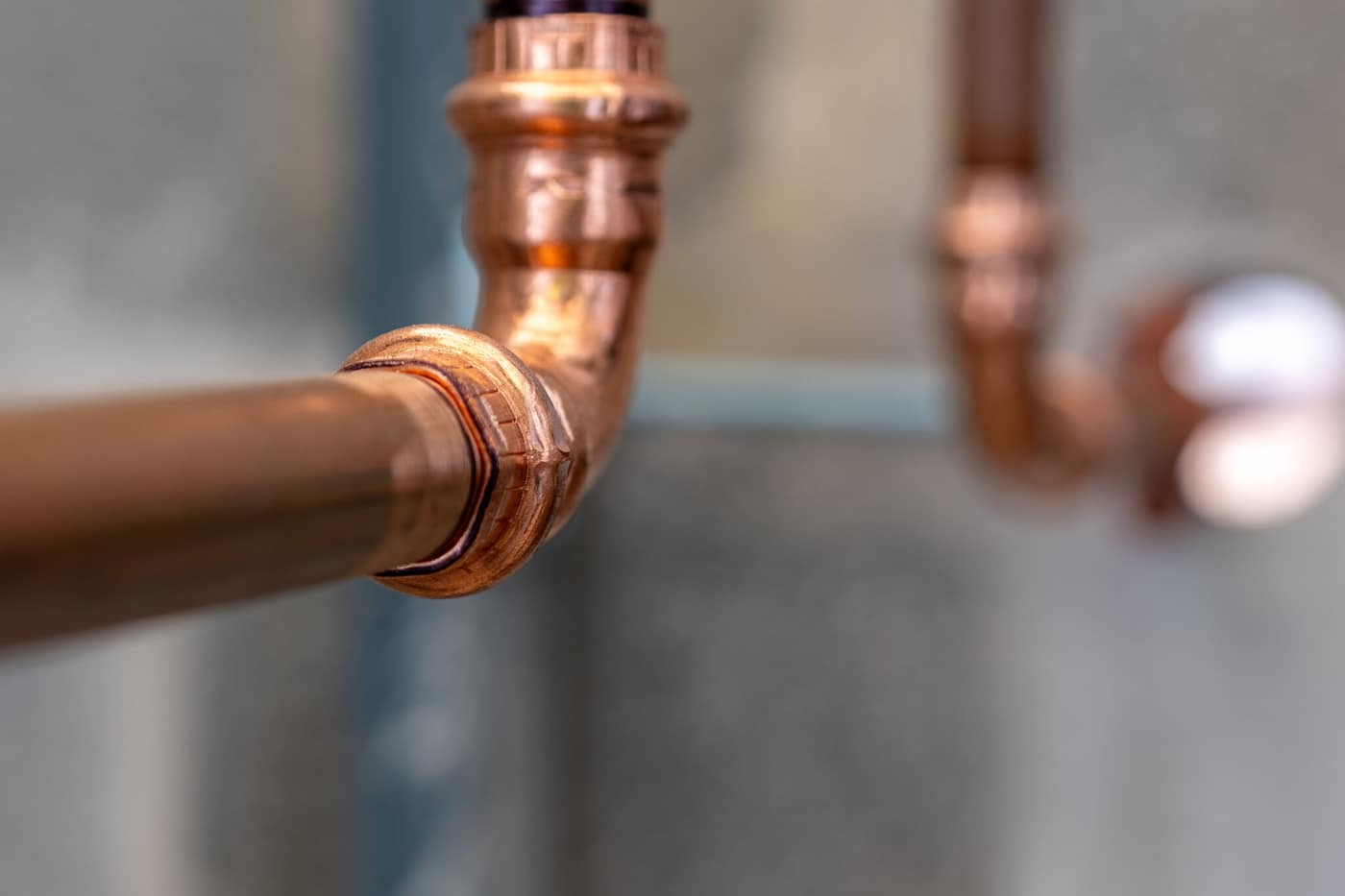 pipesCopper Repiping Benefits for Long Lasting LinesCopper repiping replaces old supply lines with copper tubing to improve reliability and water quality. This summary is for homeowners and property managers deciding when replacement makes sense.Read article
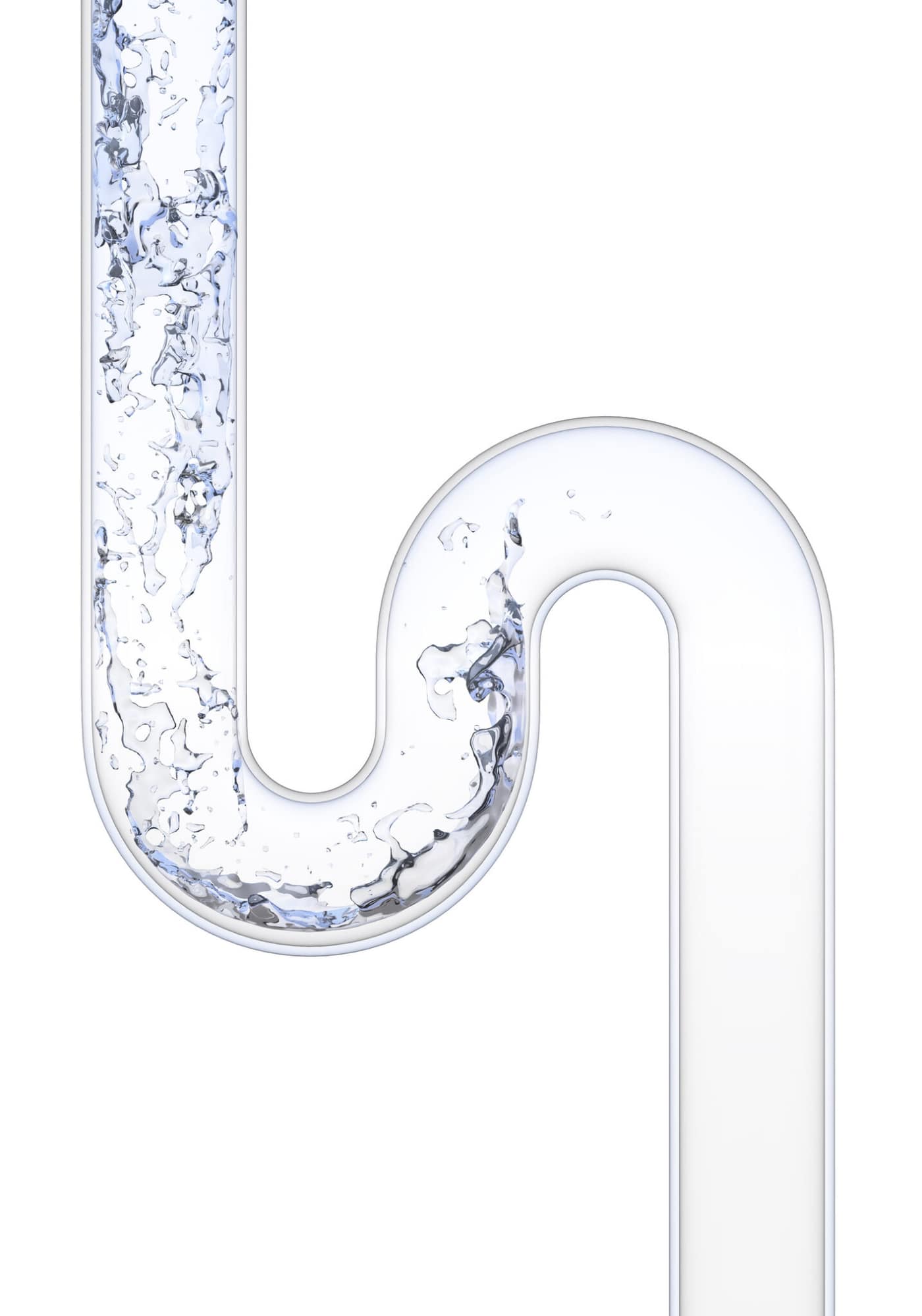 pipesWhat Affects Water Flow Through PipesWater flow through pipes means how pressure, pipe size, damage, and buildup affect water moving in your home. This summary helps homeowners and property managers decide when to check or call a pro.Read article
 pipesPipe Replacement Costs and Options for HomeownersPipe replacement means removing or repairing plumbing runs that no longer function safely or reliably. This guide helps homeowners and property managers decide when to act and what to expect during the process.Read article
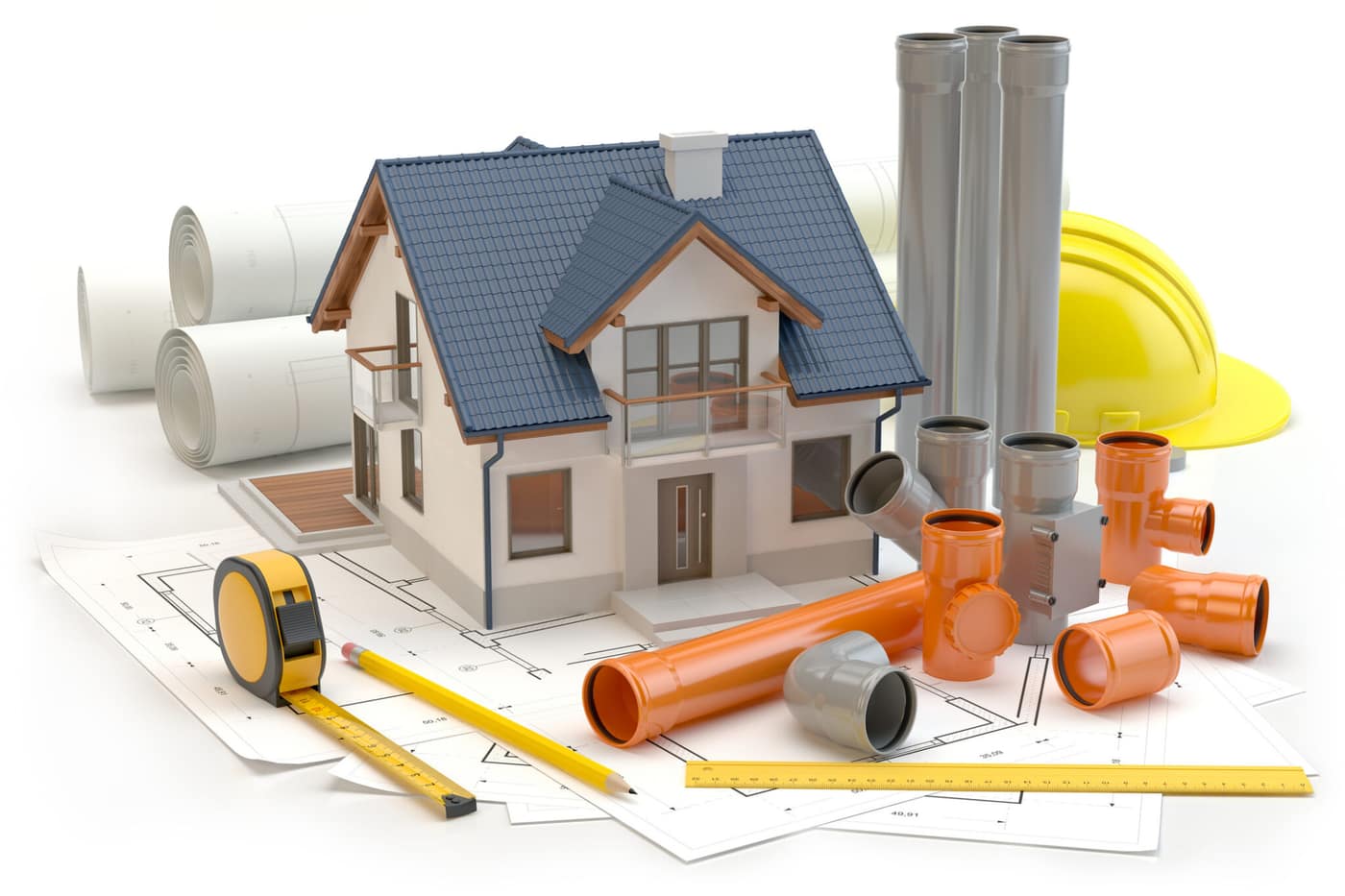 pipesWhole Home Repipe Planning StepsA whole home repipe replaces all of a house’s supply lines to stop recurring leaks and restore reliable water delivery. This guide helps homeowners and property managers plan materials budgeting permits and schedules when widespread pipe failures appear.Read article
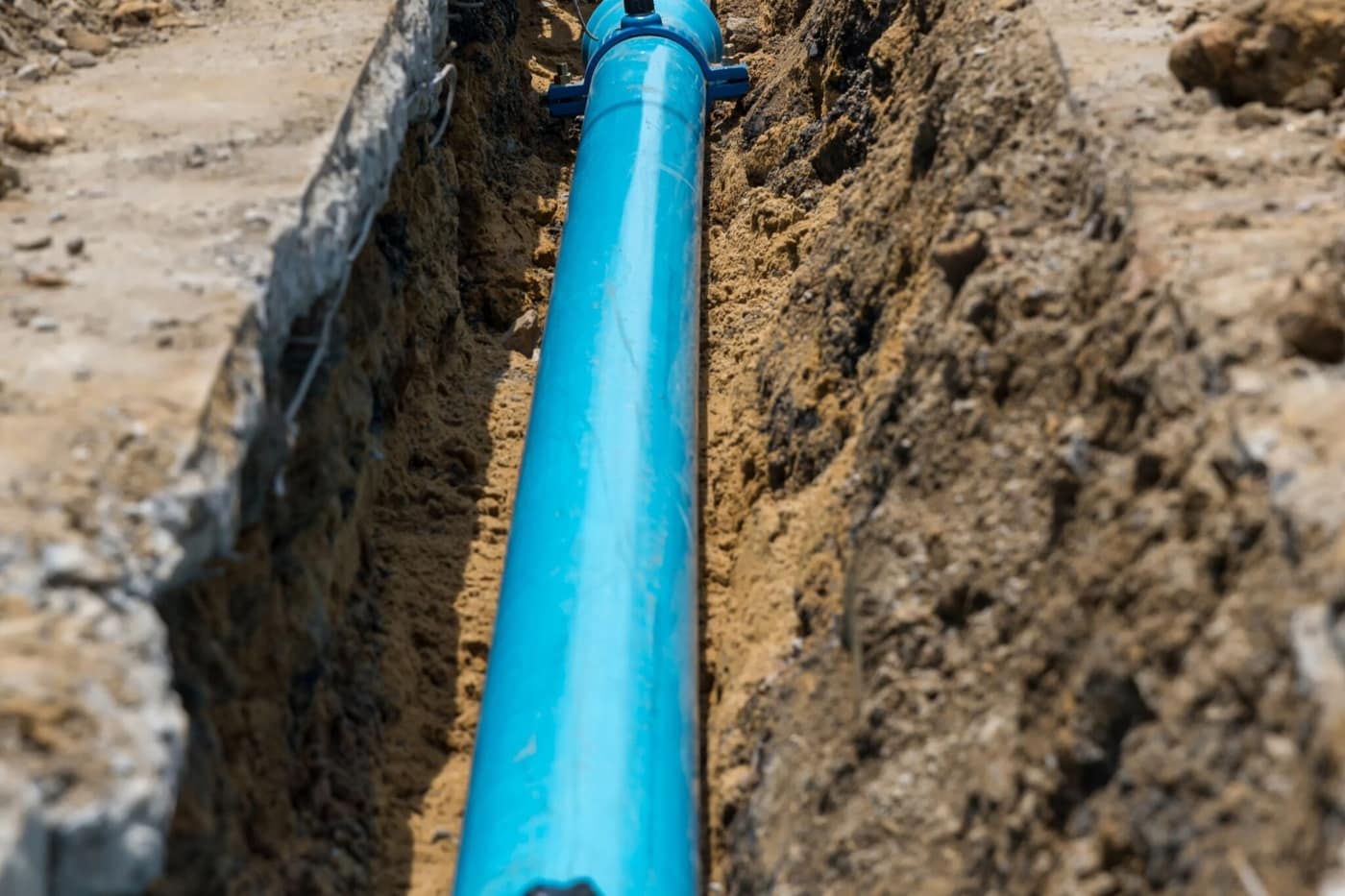 pipesWater Main Replacement in IrvingWater main replacement is a crucial service for homeowners facing plumbing issues in Irving, TX. When a water main starts to fail, it can disrupt daily routines and cause property damage.Read article
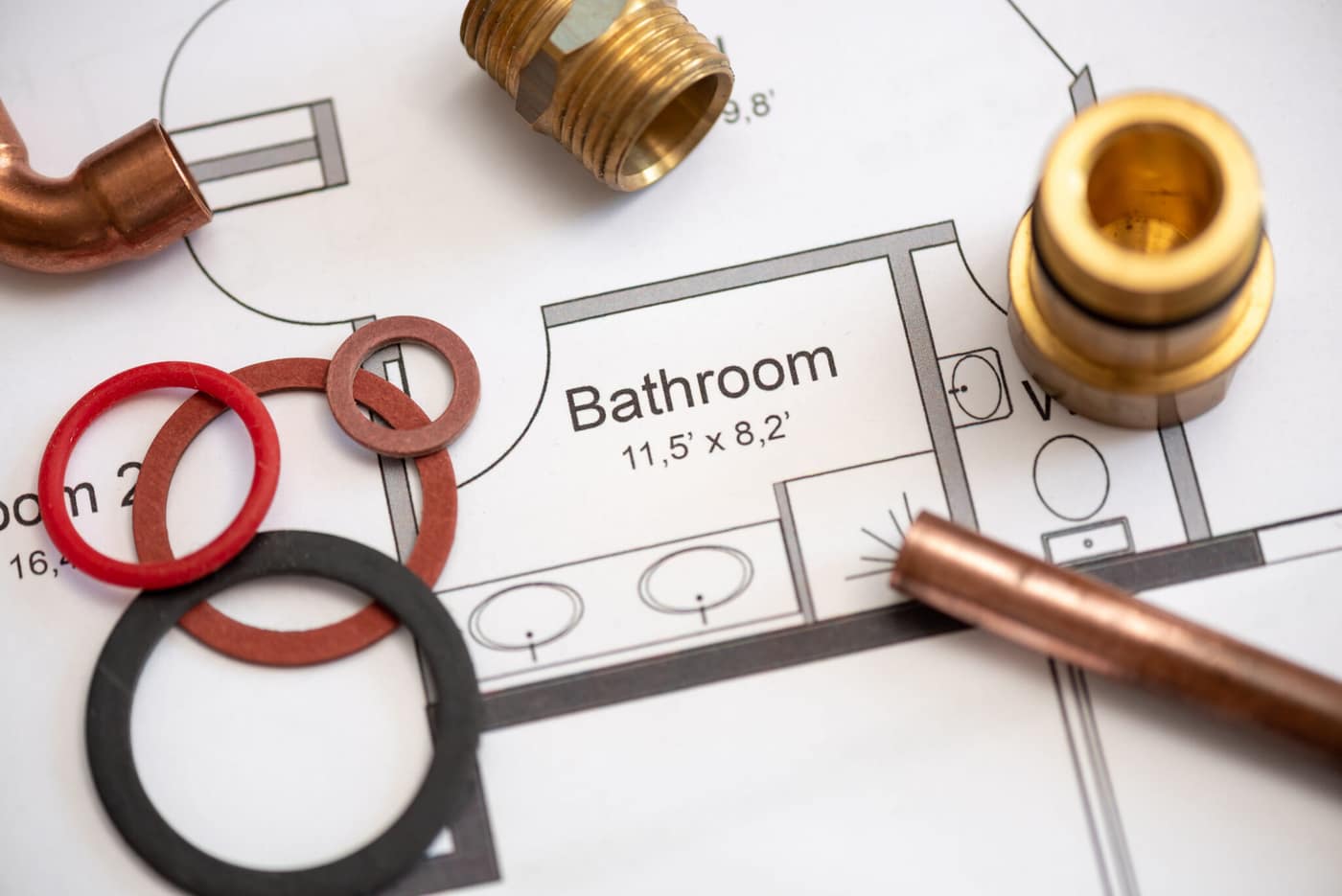 bathroom plumbingBathroom Repipe Planning for Older HomesOlder homes in Carrollton, TX often face plumbing issues that require attention beyond simple repairs. A bathroom repipe can resolve leaks, low water pressure, and outdated materials for lasting peace of mind.Read article
What North Dallas is saying
Neighbors who love their plumber.
 James Houstona week ago
Friendly, professional and efficient. Competitive quote for job😊
 Cynthia Warnera week ago
Martin was so great. You can tell he is extremely knowledgeable, thorough, and kind. We have been using bluefrog for years, and have never had a bad experience. We would highly recommend them!
 Chris Wohletza week ago
Mike was awesome. He got my plumbing issues resolved and answered all my questions. I highly recommend this company.
 Diane Blaukat2 weeks ago
Did excellent job - very complete
 Ronald Romancheka month ago
Blue Frog Plumbing contacted me after I made an inquiry through Angie’s List. I needed a new bathtub faucet and shower head assembly in my 67 year old house. Tim was a skilled pro and thoroughly explained what he could do and provided op…
 Frank DeLauraa month ago
My Bluefrog experience was excellent. My techs, Joseph and Uriel, were both fantastic. They showed up exactly on schedule, were extremely personable, thoroughly explained everything they did, answered all of my questions with knowledge…
 eric Choia month ago
We recently had our plumbing inspection with Sean, and we couldn’t have been more impressed with his professionalism, knowledge, and thoroughness. Sean took the time to carefully explain what he found, answer every question we had, and…
Questions, answered
Whole-Home Repiping FAQs
Don’t see your question? Call (469) 214-2582. Phones answered 24/7.
How long does it take to repipe a house?
Many whole-home repipes take a few days, depending on the size of the home, the number of fixtures and how accessible the walls and attic are. We give you a project timeline with your upfront price, and in many cases water can be restored at the end of each workday.
Do I have to move out while my home is repiped?
Most families stay in their homes during a repipe. Water will be off during parts of the workday, and we work to minimize disruption by protecting your belongings and keeping work areas tidy.
What is the best pipe material for repiping?
PEX and copper are both common choices. PEX is flexible, which often means fewer fittings and fewer wall openings, while copper is a long-proven rigid material. We will explain the tradeoffs for your home and let you choose.
How do I know if my home has polybutylene or galvanized pipes?
Polybutylene is usually gray, sometimes blue or black, flexible plastic pipe, often found near the water heater or under sinks. Galvanized pipe is a dull gray metal with threaded fittings. If you aren’t sure, we can identify your pipe materials during a free diagnostic.
Will repiping require breaking into my slab foundation?
Usually not. In most slab homes, we reroute new supply lines through the walls and attic and abandon the old under-slab lines. This approach avoids jackhammering through the foundation and can make future repairs much easier.
Does repiping improve water pressure?
It often does, especially if your existing pipes are galvanized and narrowed by corrosion and scale. New pipes restore the full inside diameter, so water flows more freely. If low pressure has another cause, such as a failing pressure regulator, we will identify that too.
Who handles the drywall after a repipe?
Repiping requires some small openings in walls and ceilings. We’ll explain exactly how patching is handled for your project before work begins, so you know what to expect and there are no surprises at the end.
Need whole-home repiping? We’re ready right now.