The last thing you want in your home is a gas leak. The situation absolutely constitutes an emergency, for which you need the best help possible. Often, a small gas leak can go unnoticed for some time. Eventually, you may notice the telltale odor, a hissing sound, or visual signs. That’s where your senses come in.
Your senses are a warning system, not a leak detection tool. Their job is to tell you something is wrong so you can get to safety and call for help. Once you’re safe and the gas utility has done its job, schedule professional gas leak detection and repair services to make sure your home is properly cared for.
If You Suspect a Gas Leak, Do This First
If you smell gas or notice any of the signs below, follow these steps in order:
- Leave immediately. Get everyone, including pets, out of the house. Leave the door open behind you if you can do so quickly.
- Don’t create a spark. Don’t flip light switches on or off, unplug appliances, use the garage door opener, ring the doorbell, or use a phone inside the home. Don’t light matches, lighters, or candles, and don’t start a car in an attached garage.
- Call from outside. Once you’re a safe distance away, call your gas utility’s emergency line or 911.
- Stay out. Don’t go back inside until emergency responders or the utility tell you it’s safe.
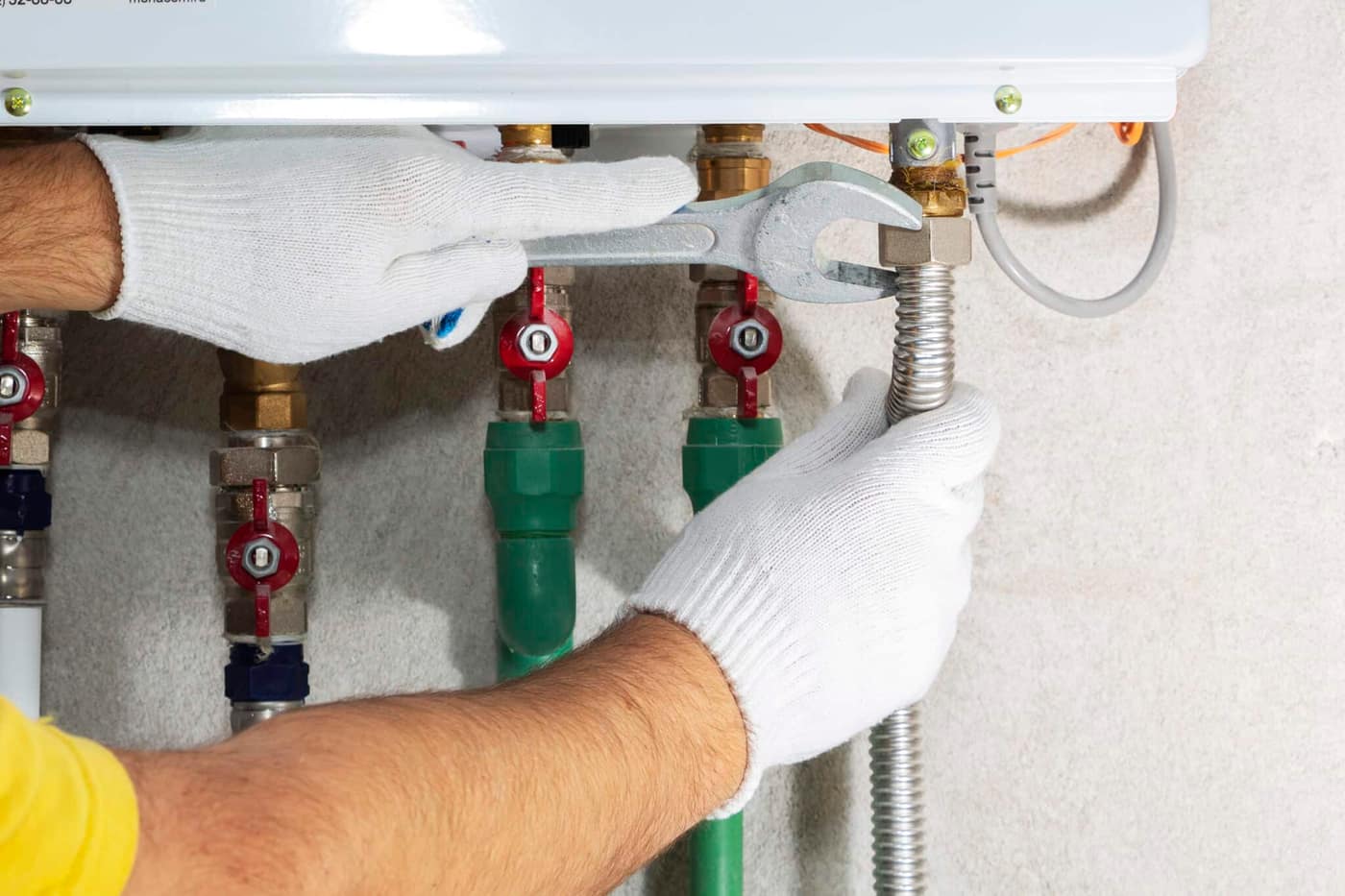
- Call a licensed plumber for repairs. After the utility has made the area safe, a licensed plumber can locate and repair the leak on your home’s gas lines and appliances, then test the system before service is restored.
Don’t try to find or fix the leak yourself while gas is in the air. It’s always better to call and be wrong than to wait and be right.
Common Signs of a Gas Leak
We recommend relying on three senses to recognize a possible gas leak: smell, hearing, and sight. With these three, you’ll be able to notice a problem early and get the appropriate help so no harm comes to you or your family.
Your Sense of Smell
When it comes to a gas leak, you’re likely to smell the problem well before you notice any other signs. Natural gas has no distinct odor on its own, so gas utility companies add a compound called mercaptan that makes it smell like rotten eggs or sulfur. It’s how we all recognize gas.
The smell is often stronger near the source. For instance, if the leak is behind the stove, you might notice it most in the kitchen. However, don’t walk around the house trying to sniff out the source. If you notice the smell, follow the safety steps above. Also know that some people have a reduced sense of smell, which is one reason combustible gas detectors can be a helpful addition.
Your Sense of Hearing
Depending on the size and location of the gas leak, you may hear a hissing or whistling sound before you see anything. That noise is gas escaping from the line, a fitting, or an appliance connection. Unfortunately, an audible hiss usually means a substantial leak. Many smaller leaks make no sound at all, so silence doesn’t mean you’re in the clear.
Your Sense of Sight
Lastly, your eyes can pick up important clues. There are a few signs of a gas leak you can see:
- Dead plants: You may notice dead or dying grass or plants in a patch of the yard near a buried gas line, especially if the surrounding area is healthy. This, of course, depends on the leak being outside.
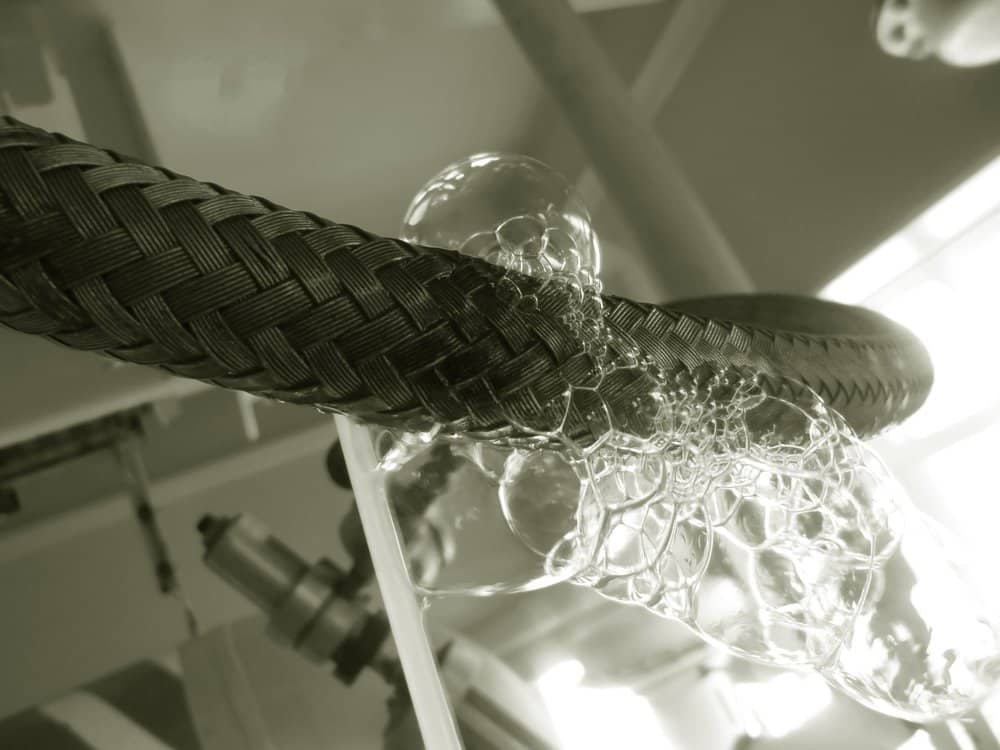
- Bubbles: Bubbling in standing water or wet soil near a gas line can be a sign of escaping gas. Professionals also use a soap-and-water “bubble test” on fittings and connections to confirm small leaks, but this is a check for technicians, not something to attempt while you smell gas indoors.
- Mist, fog, or blowing dust: A white mist or a cloud of dust blowing near a gas line can indicate a significant rupture. Leave the area immediately and call the gas company or 911.
- Appliance flames: A gas burner flame should usually be steady and blue. A yellow, orange, or flickering flame can signal incomplete combustion and should be checked by a professional.
Physical Symptoms to Take Seriously
Exposure to natural gas or to carbon monoxide from faulty gas appliances can cause headaches, dizziness, nausea, fatigue, and difficulty breathing. If several people in the home feel unwell at the same time, or symptoms improve when you leave the house, get everyone outside to fresh air and call for help. Seek medical attention if symptoms are severe.
What Causes Gas Leaks in North Dallas Homes?
- Loose or worn connections: Flexible connectors behind stoves, dryers, and water heaters can loosen or wear out, especially when appliances are moved.
- Aging gas lines: Older steel gas piping in pre-1990 homes can corrode over time.
- Soil movement: North Texas clay soil expands and contracts with moisture changes, which can stress buried gas lines and connections at the foundation.
- Digging: Fence posts, landscaping, and other projects can strike buried lines. Always call 811 before you dig.
- Faulty appliances: Malfunctioning valves or burners in furnaces, water heaters, and ranges can leak gas.
How a Licensed Plumber Handles Gas Leak Repairs
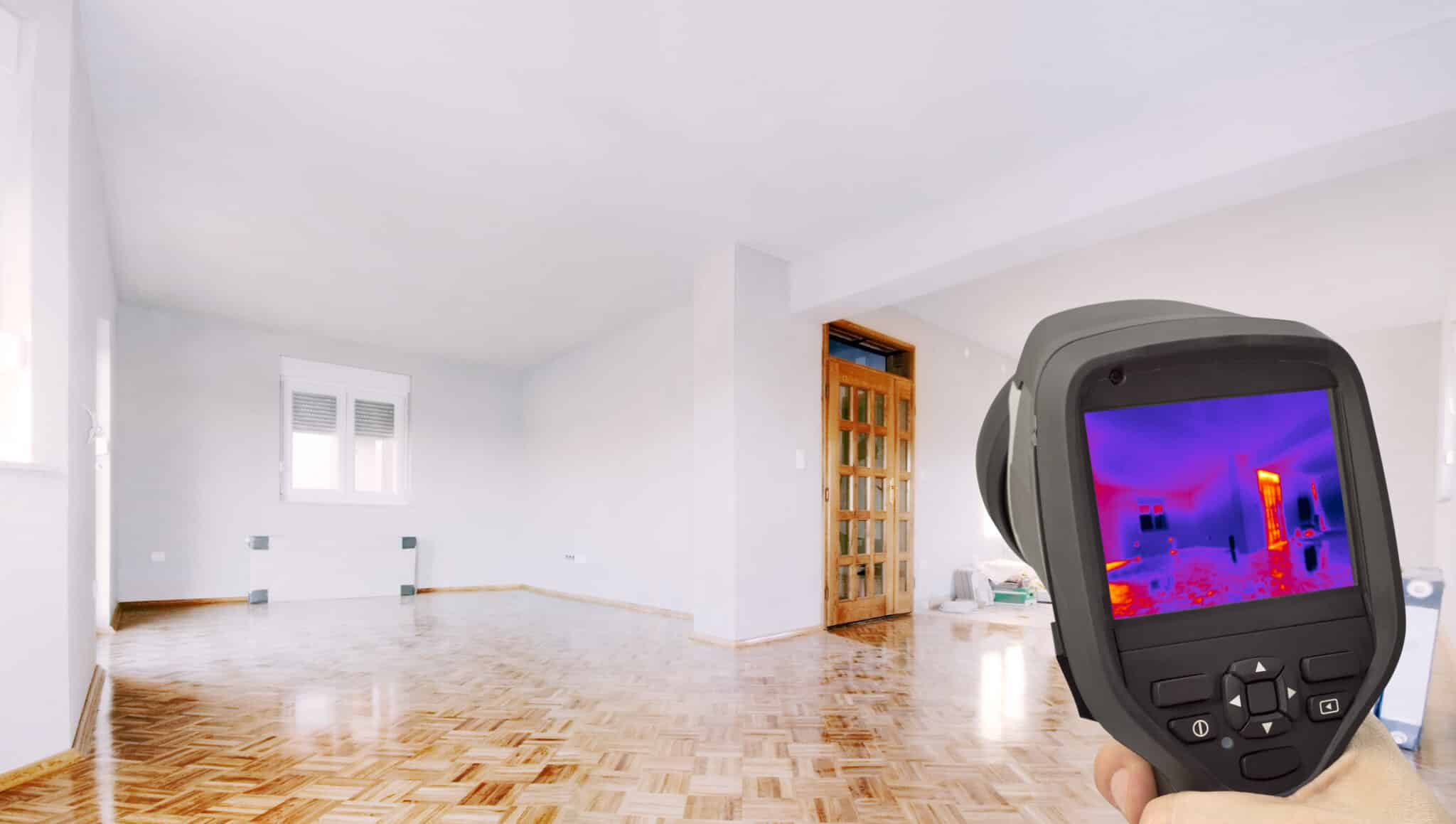
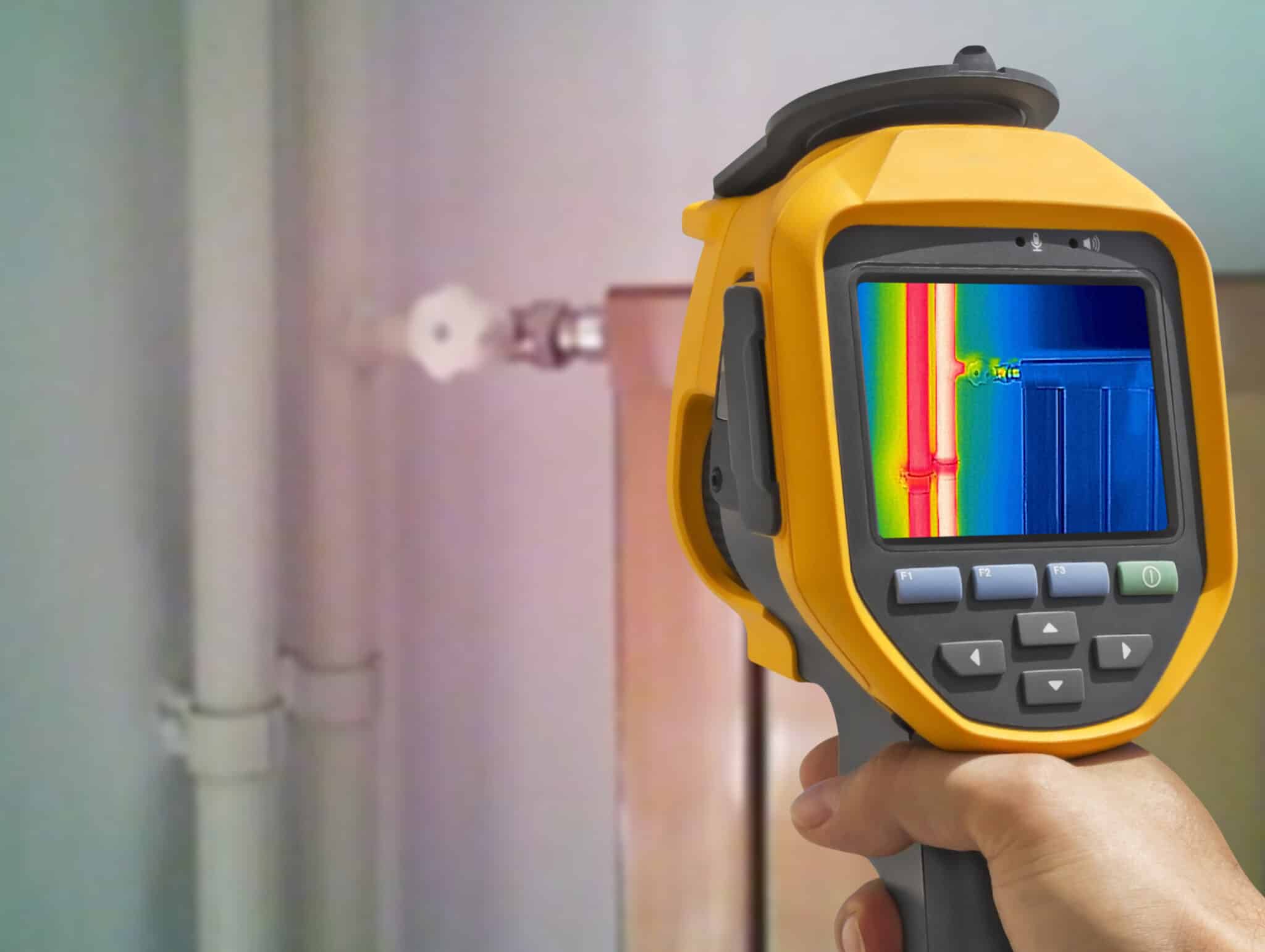
After the utility has secured the area, a licensed plumber uses specialized equipment to find the exact leak location, then repairs or replaces the damaged pipe, fitting, or connector. Gas line work should always be done by a qualified professional. Afterward, the system is typically pressure tested to confirm it’s sealed, and the plumber works with the utility as needed to get service safely restored.
Gas Leak Prevention Tips
- Install carbon monoxide detectors near sleeping areas and on every level of your home
- Have gas appliances and water heaters serviced regularly
- Don’t store flammable materials near gas appliances
- Be careful when moving stoves and dryers so you don’t strain the gas connector
- Make sure everyone in your household knows what gas smells like and what to do
At the first sign of a gas leak, don’t gamble. Get out, call your gas utility or 911 from a safe distance, and then call bluefrog Plumbing + Drain of North Dallas for licensed gas line repairs. We serve Frisco, Plano, McKinney, Denton, Lewisville, and surrounding communities 24/7.