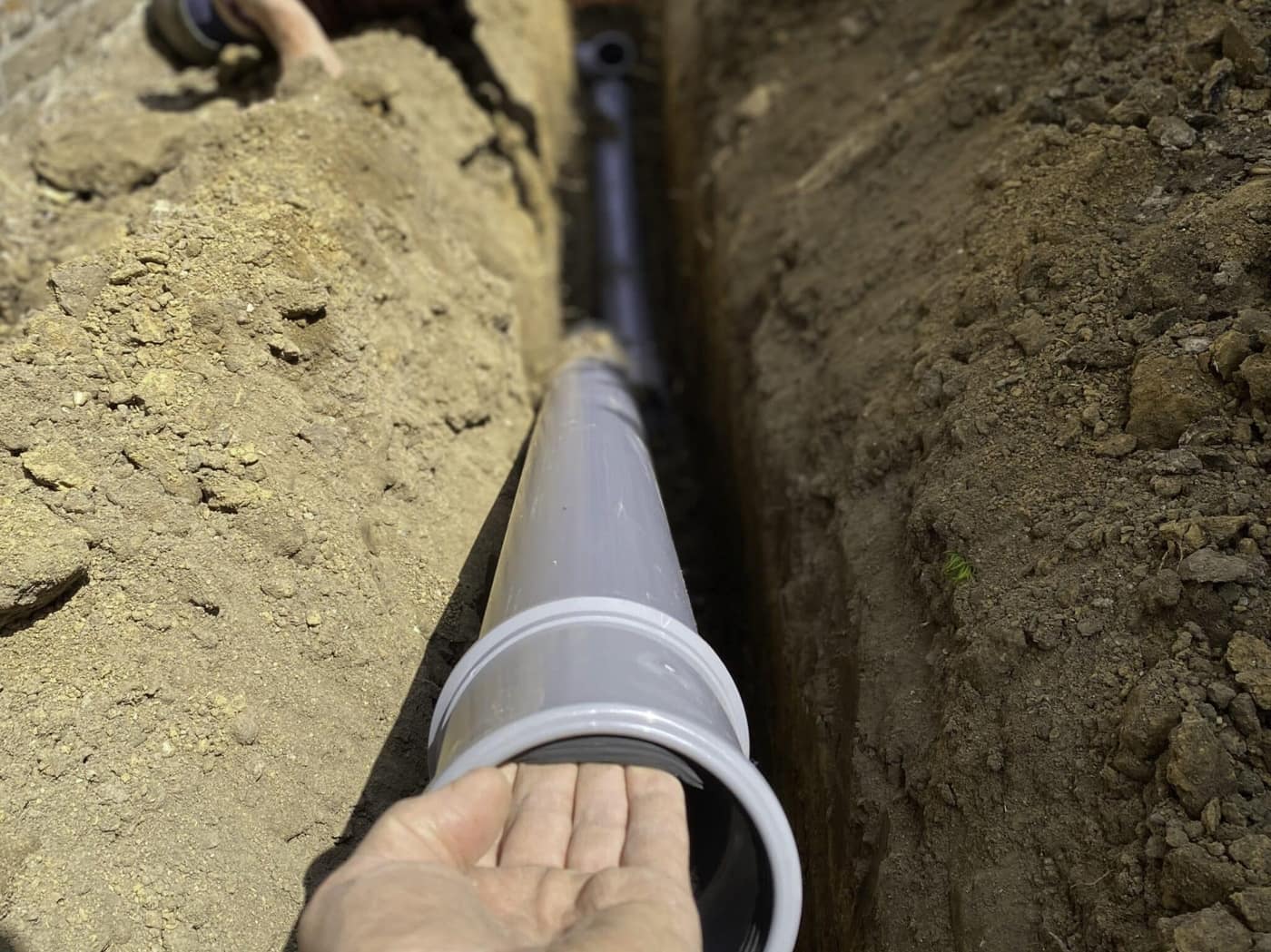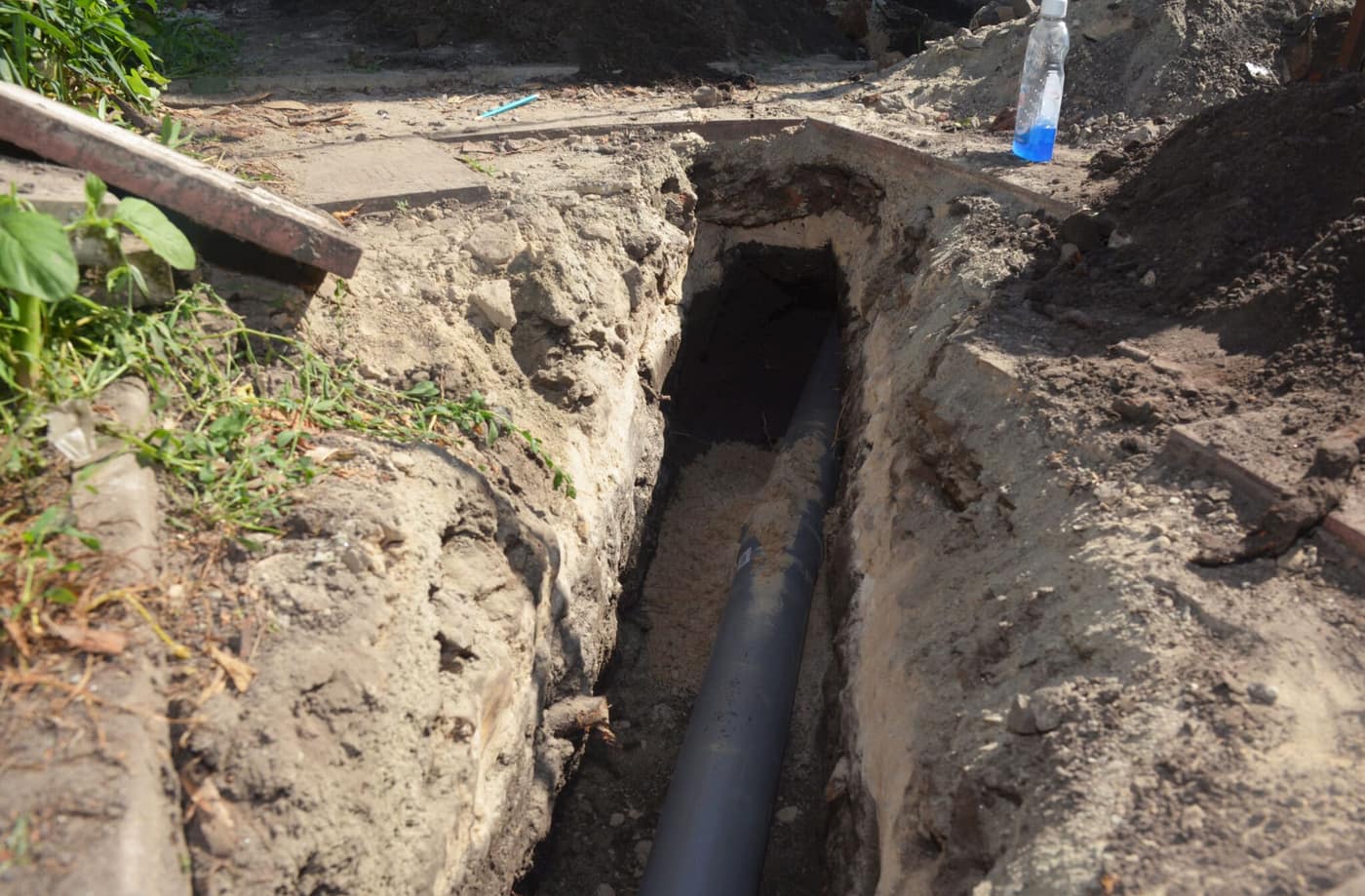
Perhaps one of the most severe plumbing disasters, a broken sewer line in your North Dallas home can spell devastation. It’s the last thing you want to deal with as a homeowner. Unfortunately, the city usually won’t handle the repairs. While cities generally maintain the public sewer main, the service line that runs from your house to that main is typically the property owner’s responsibility. Check with your city for the exact dividing line, but in most cases you’re responsible for repairs on your side and their ensuing costs. It can be overwhelming. However, if you know the signs to watch for, you can catch trouble early and reduce your costs. By scheduling sewer line service promptly, you are taking the first step toward a healthy, safe home.
Common Signs of a Sewer Line Leak
Thankfully, your plumbing system often provides a few telltale signs when something goes wrong, just like your car. For the most part, these signs are relatively straightforward. If you’re not clear on the basics of plumbing, some may seem to indicate one of many problems. We’re here to clear things up and point you in the right direction.
1. Unpleasant Odors
Perhaps one of the most notable signs of a sewer line leak in North Dallas is the unpleasant odor produced by escaping sewage and sewer gas. You may compare the smell to rotten eggs. Whatever you choose to call it, the odor can seem to come from everywhere: behind the walls, under the floors, or around the yard.
With such an odor, it’s usually a sign that the leak has already worsened. Moisture from a leak can also lead to mold, which can begin growing within 24 to 48 hours in damp areas.
Before assuming the worst, check that every drain has water in its trap, including floor drains and rarely used guest bathrooms. A dry trap can let sewer gas into the home and is an easy fix: just run water down the drain. If the smell persists, it’s time to call a plumber.
2. Unusual Water Bill or Wet Areas
If you notice an unexplained spike in your home’s water bill, it’s generally a sign of a leak somewhere in your plumbing. Your bill is an accurate record of water consumption over time. Unless you’ve knowingly started using more water, a sharp increase deserves attention.
Keep in mind that a jump in your bill most directly points to a leak on the water supply side, while sewer lines carry wastewater away. Leaks often don’t travel alone, though, and both supply and sewer problems can show up as soggy patches in the yard, unusually green grass over the sewer line, or damp spots on floors. A plumber can determine which system is leaking.
3. Slow Drainage Throughout the Home
While slow drainage could just be a sign of a normal clog, it may also be a symptom of a sewer line problem if every drain in your home is clogged or slower than usual. The blockage could be caused by tree root intrusion, cracks, a sagging section of pipe, or the start of a serious sewage backup. Before long, the mess may back up inside your home.
Pay attention to how your drains behave together. Gurgling toilets when the washing machine drains, water rising in the shower when you flush, or sewage appearing in the lowest drain in the house are strong signs of a main line issue rather than a single clogged fixture.
With slow drainage, you’re likely to reach for a chemical drain cleaner. We urge you against doing so, however. Chemical drain cleaners can cause more harm than help to your plumbing system, and they rarely reach a blockage deep in the main sewer line.
Other Warning Signs to Watch For
- Sewage backing up into tubs, showers, or floor drains
- Sinkholes or depressions in the yard along the path of the sewer line
- Cracks in a slab foundation or floors that seem to be new
- Increased insects or rodents around the home
- Recurring clogs that come back soon after being cleared
What Causes Sewer Line Leaks in North Dallas?
Several local factors make sewer line problems common in our area:
- Expansive clay soil: North Texas clay swells when it’s wet and shrinks during hot, dry summers. That constant movement can shift, crack, or separate underground pipes, including drain lines beneath slab foundations.
- Tree roots: Roots seek out moisture and can enter even small cracks or loose joints, eventually blocking or breaking the pipe.
- Aging materials: Many homes built before 1990 have cast-iron drain lines, which can corrode and crack over time. Some older homes may have other materials that are prone to failure.
- Grease and wipes: Fats, oils, grease, and so-called flushable wipes build up inside pipes and contribute to blockages and backups.
What to Do If You Suspect a Sewer Line Leak
- Limit water use. Avoid running the dishwasher, washing machine, and showers so you don’t add more wastewater to a damaged line.
- Keep people and pets away from sewage. Raw sewage carries bacteria and should not be handled without protection.
- Don’t use chemical cleaners. They can damage pipes and create a hazard for whoever works on the line next.
- Call a licensed plumber. Sewer line problems need professional diagnosis.
How a Plumber Diagnoses and Repairs Sewer Lines
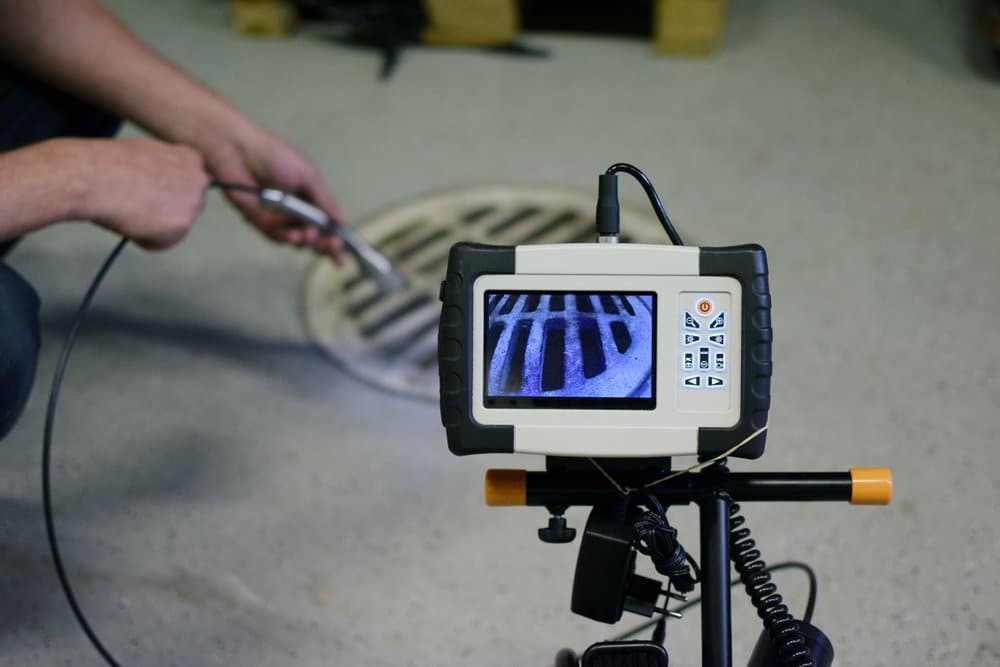
A plumber will typically start with a video camera inspection, sending a waterproof camera through the line to see exactly where the problem is and what caused it. Depending on the findings, the fix may involve hydro jetting to clear roots and buildup, a spot repair of a damaged section, or replacement of a longer run of pipe. Some situations allow trenchless methods that reduce digging in your yard. A good plumber will show you the footage, explain your options, and provide pricing before any work begins.
Preventing Sewer Line Problems
- Keep grease, wipes, and paper towels out of your drains and toilets
- Plant trees well away from the sewer line
- Consider periodic camera inspections if you have an older home or large trees
- Address slow drains early instead of waiting for a backup
When you need sewer line repair or sewage cleanup, contact bluefrog Plumbing + Drain of North Dallas. Our licensed plumbers serve Frisco, Plano, Carrollton, Lewisville, Garland, and nearby communities 24/7, with upfront pricing. We’re available every day!