Unfortunately, some of the most damaging incidents in our homes are invisible to the naked eye. You might not notice a hidden leak until it’s too late. The walls are bubbling, mold is growing, and parts of the home are ruined.
According to the EPA, household leaks across the country can waste nearly 10,000 gallons of water per home every year. For all you know, you’re contributing to this waste right now. That’s why we recommend inspecting your home for signs of hidden leaks as often as possible.
Once you discover a hidden leak, you’ll likely want to report the damage to your insurance company. The question is, will your policy cover the damage, or will you need to pay for cleanup and repairs yourself? The honest answer is that it depends on your policy and on how the leak happened. Here’s how coverage commonly works, and what North Dallas homeowners should do the moment they find a leak.
In North Dallas, Insurance Often Covers Sudden Hidden Leak Damage
Many standard homeowners policies in Texas cover water damage that is sudden and accidental, such as a supply line that bursts or a pipe that suddenly fails inside a wall. When a hidden leak stems from that kind of plumbing failure, there’s a good chance your policy will help with the resulting damage to the home. Every policy is different, though, so read yours carefully and talk with your agent before assuming anything.
If you’re looking for this coverage in your own insurance policy, try looking under the “property coverage” section. This area states which parts of your home and which belongings can be replaced if they’ve been affected by sudden water damage. The “dwelling coverage” section will typically address damage to the structure itself, such as walls, ceilings, and floors.
Damage vs. the Repair Itself
One detail surprises a lot of homeowners: even when a policy helps with the damage a leak caused, it may not pay to repair the pipe or fixture that failed. Some policies also include language about the cost of opening up a wall or slab to reach the leak. These details vary widely, so ask your agent specifically how your policy treats the failed part, access costs, and the resulting water damage.
When Water Damage Isn’t Covered by Homeowners Insurance
Damage from leaks that happen slowly over long periods of time is commonly excluded. If your leak has been quietly causing problems for months or even years, an insurer may view the damage as a maintenance issue and therefore your responsibility. That’s why it’s vital that you check for slow-moving leaks on a regular basis.
Other situations that are often excluded or limited include:
- Wear and tear: Old, corroded pipes and fixtures that finally give out after years of deterioration.
- Neglected repairs: A drip or stain you knew about but didn’t address.
- Mold: Many policies limit or exclude mold remediation, especially when the mold grew from long-term moisture.
- Flooding and sewer backups: Water from outside the home or from a backed-up sewer line is frequently handled separately, sometimes through an endorsement or a separate flood policy.
- Foundation movement: Slab leaks and foundation issues can involve their own policy provisions, so ask your agent how yours handles them.
Again, these are general patterns, not guarantees. Your declarations page, policy wording, and agent are the final word on what you can claim.
Why Hidden Leaks Are Common in North Dallas Homes
A few local factors make hidden leaks more likely in our area:
- Expansive clay soil and slab foundations: North Texas clay swells when wet and shrinks during dry summers. That movement can stress the pipes running under and through a slab foundation, which is one reason slab leaks are so common here.
- Older pipe materials: Many homes built before 1990 in cities like Richardson, Garland, and Plano may still have galvanized steel supply lines or cast-iron drains that corrode from the inside out.
- Hard water: Mineral-heavy water can wear on valves, supply lines, and water heater connections over time.
- Hard freezes: Events like Winter Storm Uri in February 2021 showed how quickly pipes in exterior walls, attics, and garages can crack. Some of those cracks only start leaking noticeably later.
Warning Signs of a Hidden Leak
Catching a leak early is the best way to limit damage and avoid a dispute over whether it was “sudden” or “gradual.” Watch for:
- A water bill that jumps without a change in your household’s habits
- The sound of running water when every fixture is off
- Warm spots on the floor, which can point to a hot water slab leak
- Stains, bubbling paint, or soft drywall on walls and ceilings
- Musty odors or visible mold in cabinets, closets, or baseboards
- Cracks in flooring or new cracks in walls that seem to appear suddenly
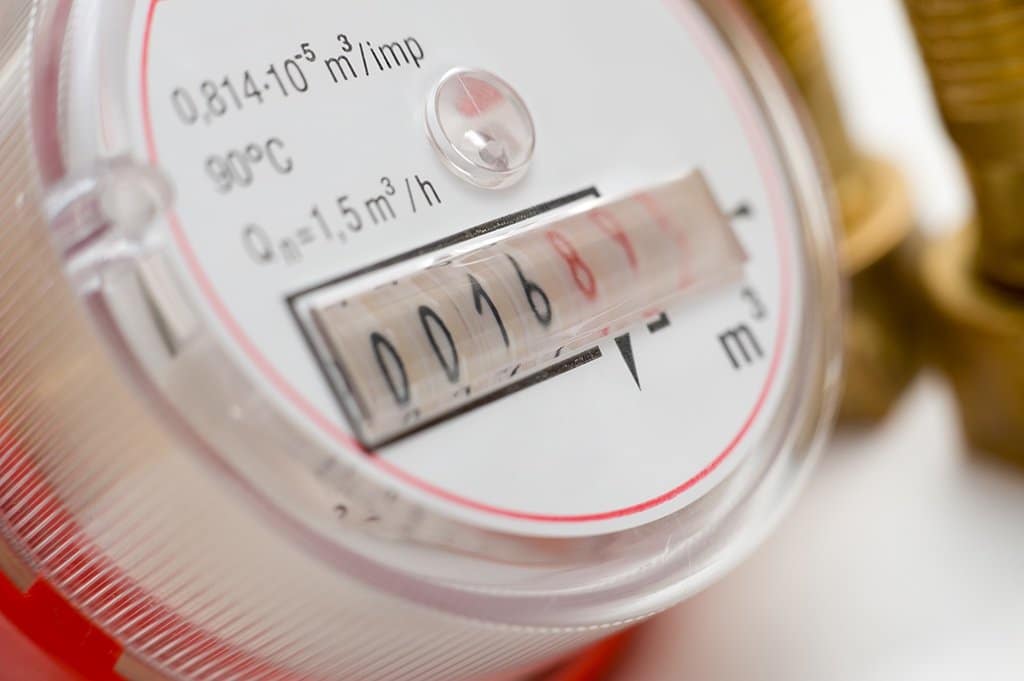
A simple test: turn off every faucet and water-using appliance, then check your water meter. If the meter keeps moving, water is going somewhere it shouldn’t.
What to Do When You Find a Hidden Leak
- Stop the water. Shut off the fixture valve if the source is obvious, or close your main water shutoff if it isn’t.
- Protect people and property. Turn off electricity to any wet area if it’s safe to reach the breaker, and move belongings out of harm’s way.
- Document everything. Take photos and video of the damage, the source if you can see it, and the date you discovered it.
- Call your insurance agent. Ask how your policy treats the situation and what the claims process looks like before major work begins.
- Schedule professional leak detection. A licensed plumber can locate the leak and explain what failed, which is information your adjuster will likely want.
- Keep your records. Save invoices, reports, and photos from the plumber and any water mitigation company.
How a Plumber Helps With Your Claim
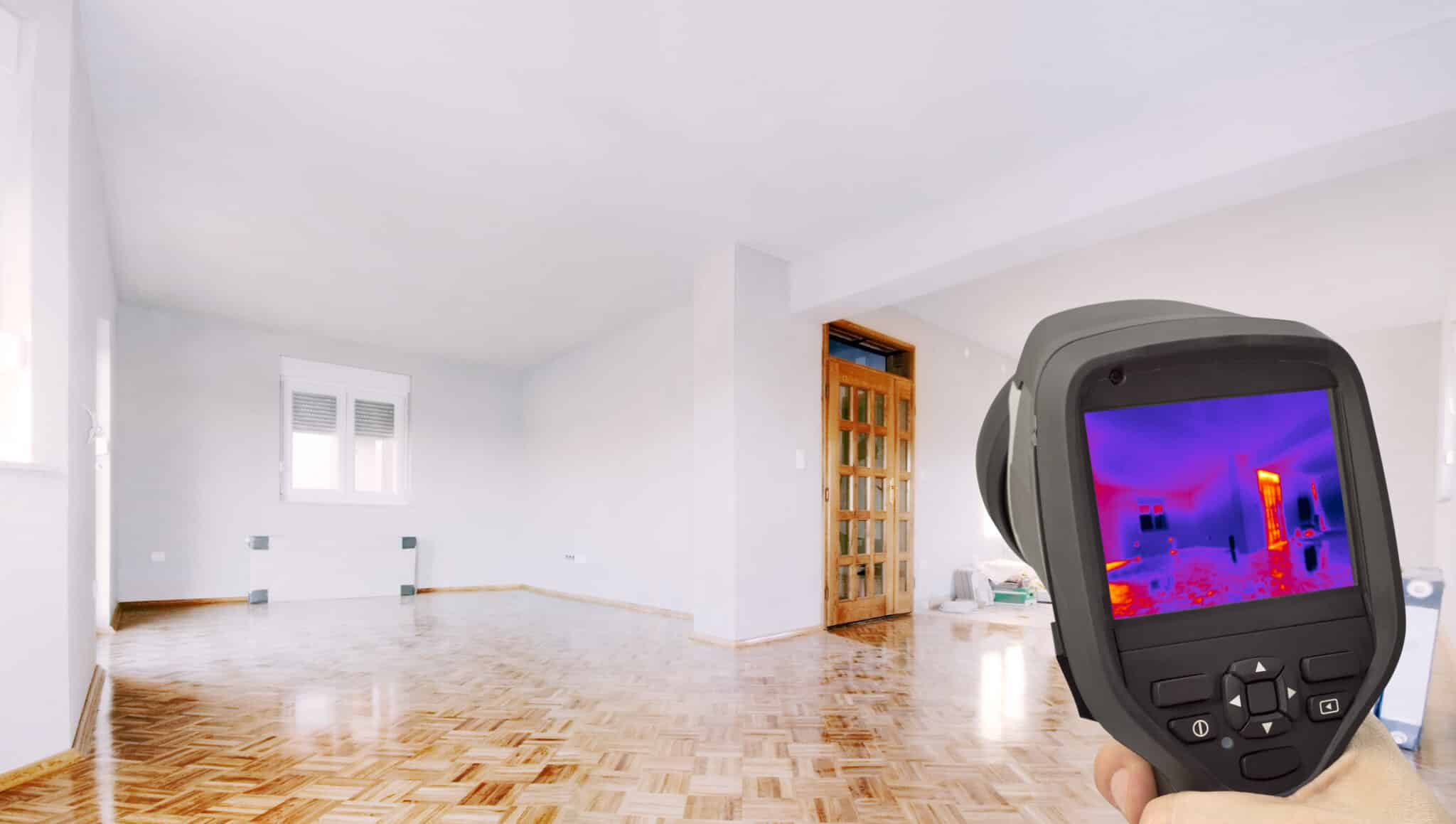
Insurance adjusters want to know what failed, where, and roughly how it happened. A plumber’s written findings and photos can help answer those questions. At bluefrog Plumbing + Drain of North Dallas, our licensed plumbers use leak detection equipment to pinpoint leaks behind walls and under slabs with as little demolition as possible, then explain the repair options and give you upfront pricing before work starts. We can’t tell you what your insurer will decide, but we can give you clear, accurate information to share with them.
Call bluefrog Plumbing + Drain of North Dallas for Help With Hidden Leaks
Regardless of how much coverage your insurance provides, you’ll need to address a hidden leak immediately to prevent more damage and mold growth. We serve homeowners across Frisco, Plano, McKinney, Carrollton, Lewisville, and the rest of North Dallas, and we’re available 24/7. Give us a call to schedule your leak detection and repair as soon as possible.