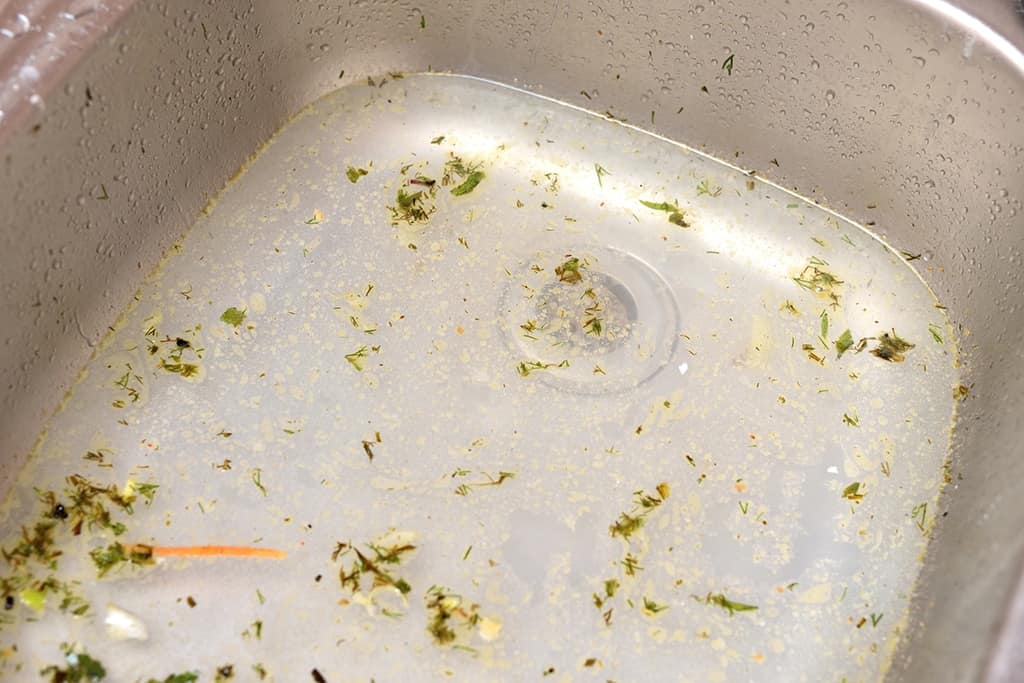
Your drain is clogged once again. You turn on the water in your bathroom sink and are greeted by nothing but a backup. We’ve all seen the blogs online and the drain cleaning commercials; they make clogged drains seem so simple. Unfortunately, many DIY drain cleaning solutions are ineffective. They inspire hope in budget-savvy homeowners, but in reality, these do-it-yourself methods often fall short. The simplest, most effective drain cleaning method is often a phone call away. Let the experts handle your stubborn drain cleaning needs.
The Woes of Chemical Drain Cleaners
The companies that make and sell chemical drain cleaners are trying to make money. They’re a business. What the marketing doesn’t emphasize is that harsh chemicals can be hard on your plumbing system. Even if the bottle says the product is “safe on pipes,” read the warnings on the back carefully. You should consider reading the entire label before putting it in your shopping cart.
Many of these products work by generating heat or by caustic or acidic reactions. Used repeatedly, they can damage pipes, especially older metal drain lines, and they can soften or warp some plastic pipes and joints. If the chemical doesn’t clear the clog, it sits in the pipe, and anyone who later works on that drain, including you, risks a chemical burn. Mixing different drain products can also create dangerous fumes.
If you’re insistent on using a product for your plumbing, look for an enzymatic cleaner instead. These use natural enzymes and bacteria to slowly break down organic buildup. The downside is that enzymes work slowly and are not tough enough for serious clogs. They’re better suited for routine maintenance than for clearing a full blockage.
Baking Soda and Vinegar
Perhaps one of the most common DIY drain cleaning solutions, baking soda and vinegar, has long been touted as the go-to method for homeowners. In reality, it’s more show than substance. When you combine baking soda and vinegar, it creates a fizzy, bubbling mixture that is said to remove built-up debris on the interior pipe walls. Unfortunately, neither is capable of breaking down fat, oil, or grease, which are some of the most common causes of blockages. Baking soda and vinegar are simply not strong enough to get the job done on a real clog.
In all actuality, hot water may do more of the work than the fizz. You’ll notice that, when a blog tells you to use baking soda and vinegar, they always follow up with hot water. Keep in mind that boiling water can damage some PVC joints and porcelain fixtures, so very hot tap water is a safer choice.
Other DIY Methods and Their Limits
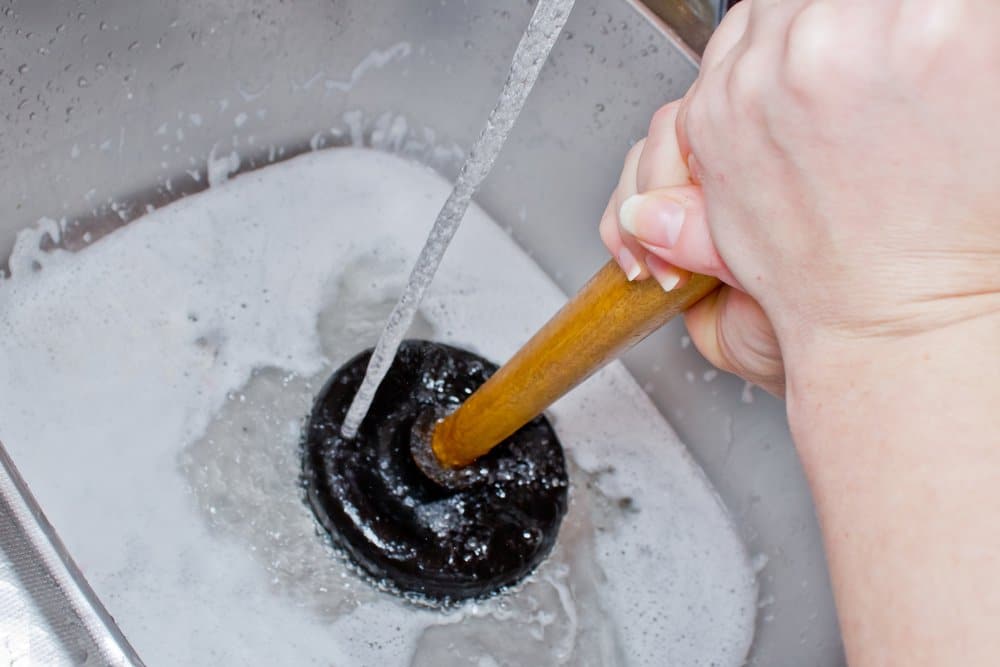
- Plungers: A plunger is a reasonable first step for a simple clog in a sink or toilet. Use a cup plunger for sinks and a flange plunger for toilets. Never plunge after using a chemical cleaner, since it can splash back.
- Plastic drain sticks: These barbed strips can pull out hair near the top of bathroom drains, but they won’t reach deeper blockages.
- Store-bought drain snakes: A small hand auger can help with shallow clogs, but it’s easy to scratch fixtures, damage the trap, or push a clog deeper into the line.
Signs the Clog Is Bigger Than One Drain
Some symptoms point to a problem deeper in your plumbing, where no DIY method will help:
- Several drains are slow or clogged at the same time
- Toilets gurgle when the washing machine drains or the tub empties
- Water backs up into the shower or tub when you flush
- Sewage odors around drains or in the yard
- Clogs that keep coming back soon after you clear them
In North Dallas, these issues often trace back to the main sewer line. Tree roots seek out moisture in drain lines, expansive clay soil can shift and crack underground pipes, and many homes built before 1990 have cast-iron drain lines that corrode and build up scale inside over time.
Professional Drain Cleaning Benefits
Now you can see why DIY drain cleaning isn’t always the right approach. Instead, consider scheduling professional drain cleaning. Here are a few benefits you’ll enjoy by doing so:
Reduced Blockages
Not just your current blockage, but future ones too. By scheduling professional drain cleaning, you’re taking a proactive approach to the well-being of your drainage system. A professional plumber uses the right tools and techniques to clear your system thoroughly, which helps reduce the chances of serious blockages anytime soon.
Fewer Odors
When you have a serious drain clog, it can smell quite foul. Trapped food, grease, and organic buildup start to decompose, and sewer gases may not vent properly. Professional service clears out the buildup that causes these odors.
Cleaner Environment
Bacteria can grow in buildup inside your plumbing. If the line is clogged, dirty water has nowhere to go but back up into the sink, tub, or shower. Regular drain cleaning helps keep your home more sanitary.
What a Plumber Does Differently
A licensed plumber starts by finding out where the clog is and what’s causing it. Depending on the situation, that may include:
- Professional drain augers: Powered cables that reach far into the line to break up or retrieve blockages.
- Video camera inspection: A small waterproof camera shows the inside of the pipe, revealing roots, cracks, sagging sections, or heavy buildup.
- Hydro jetting: High-pressure water scours grease, scale, and roots from pipe walls, cleaning the line rather than just poking a hole through the clog.
Knowing the cause also means you get an honest recommendation, whether that’s a simple cleaning, a repair, or a maintenance schedule.
How to Prevent Clogs
- Never pour grease, fats, or oils down the kitchen sink. Let them cool and throw them in the trash.
- Use drain screens in tubs and showers to catch hair.
- Flush only toilet paper. So-called flushable wipes can still cause clogs.
- Scrape food scraps into the trash before rinsing dishes, even if you have a garbage disposal.
- Run hot tap water after using the kitchen sink to help move residue along.
- Schedule periodic professional drain cleaning if your home is older or has had repeat clogs.
For professional drain cleaning services in Dallas, Frisco, Plano, Allen, Garland, and across North Dallas, contact bluefrog Plumbing + Drain of North Dallas. Our licensed plumbers offer upfront pricing, and you can reach us anytime, 24/7!