Winterizing your home for the cold months is a crucial step in planning for unforeseeable disasters. Whether you are leaving for vacation or simply want to avoid water damage, it is wise to prepare your home for winter weather.
Even here in Texas, we occasionally experience snowfall and freezing temperatures that can wreak havoc on the neighborhood. A home that is properly prepared, especially when it comes to protecting the plumbing system, can make it through a hard freeze without considerable damage.
Why North Dallas Homes Are Vulnerable to Freezes
Winter Storm Uri in February 2021 was a hard lesson for North Texas. Days of below-freezing temperatures, combined with widespread power outages, left many homes across Frisco, Plano, McKinney, Denton, and the surrounding area with burst pipes. Part of the reason is that many homes here were built for heat, not cold:
- Pipes in attics and exterior walls: Many North Dallas homes route water lines through attics and outside walls, where insulation may be limited.
- Uninsulated garages: Water heaters, softeners, and supply lines in garages are exposed to outdoor temperatures.
- Exposed hose bibbs and irrigation: Outdoor faucets, backflow preventers, and sprinkler components freeze first.
- Older pipe materials: Homes built before 1990 may have galvanized steel pipes that are already weakened by corrosion.
Two Kinds of Winter Plumbing Prep
There’s a difference between everyday freeze prep, which you do when a cold snap is coming and you’ll be home, and full winterization, which is draining your plumbing system when a home will be vacant for an extended period during cold weather. Both protect your pipes, but full winterization is the most thorough option.
Steps to Winterize Your Plumbing
You want to begin the winterization process with your home’s plumbing supply. It’s easy to forget a step, miss a pipe, or purchase the wrong type of insulation. Therefore, you want to be diligent in your winterization efforts. Consider making a checklist.
As you complete each step, mark off the item in question. Then, once you’re done, you can be confident that you were thorough in your winterization efforts.
How to begin pipe winterization:
- First, shut off the main water valve. Then, turn off the water heater, and the well pump if your home has one. Turning off the water heater protects its heating elements or burner once the tank is drained.
- Open the drain valves and taps around your home. Make sure all taps are open. A closed tap can create a vacuum that keeps water from escaping the pipe.
- Use an air compressor to blow excess water out of the pipes. This step is best handled by a plumber, since too much pressure can damage fittings.
- Open the drain valve on the water heater and let it empty completely. Be careful; many water heaters do not have floor drains nearby, so you’ll need a garden hose to prevent water damage or flooding.
- Flush your toilets to remove as much water as possible from both the tank and toilet bowl.
- Check your sink and tub drains for drain traps. Traps hold water that can freeze, so many plumbers add non-toxic plumbing antifreeze to them in a vacant home.
Everyday Freeze Prep When You’re Home
If you’ll be living in the house through a cold snap, you don’t need to drain everything. Instead:
- Disconnect garden hoses and cover outdoor faucets with insulated covers.
- Insulate exposed pipes in the attic, garage, crawlspaces, and exterior walls with foam pipe sleeves.
- Protect irrigation components by shutting off and draining the sprinkler system and insulating the backflow preventer.
- Open cabinet doors under sinks on exterior walls so warm air can reach the pipes.
- Let faucets drip on the coldest nights, especially those on exterior walls. Moving water is less likely to freeze, and an open faucet helps relieve pressure.
- Keep the heat on, even if you’re leaving for a short trip.
- Keep the garage door closed to protect pipes and equipment inside.
- Know where your main shutoff is and make sure it turns easily.
Benefits of Pipe Winterization
Protecting your home’s plumbing system is critical during the winter. By taking the steps above, you’ll help prevent standing water, flooding, and significant property damage to your home. That’s not to mention avoiding the long-lasting effects of water damage, including reduced indoor air quality and mold growth in the walls, underneath the flooring, and overhead in the ceiling.
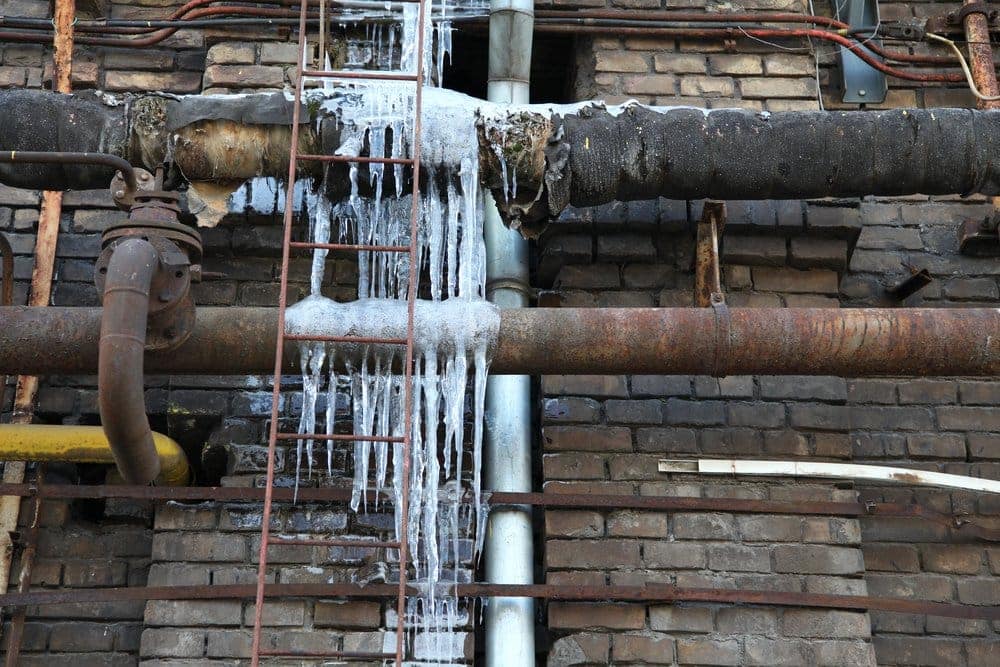
When a pipe freezes in a residential home, it can burst. Water expands as it freezes, and pressure builds inside the pipe until the material splits. A burst can release hundreds of gallons of water into your home, and the resulting water damage can be very costly to repair and restore.
Winterization also brings peace of mind. When the forecast calls for a hard freeze, you’ll know your home is ready instead of scrambling at the last minute when stores are out of pipe insulation and plumbers are booked.
What to Do If a Pipe Freezes
- If a faucet barely trickles or produces no water during freezing weather, a pipe may be frozen. Keep the faucet open.
- Apply gentle heat to the pipe with a hair dryer, heating pad, or space heater kept a safe distance from anything flammable. Never use an open flame.
- Warm the pipe starting from the faucet end and working back toward the frozen section.
- If you can’t find or reach the frozen section, call a plumber.
What to Do If a Pipe Bursts
- Shut off the main water valve immediately.
- Turn off electricity to affected areas if water is near outlets or appliances and the breaker can be reached safely.
- Open faucets to drain remaining water from the lines.
- Take photos for your records and your insurance company.
- Call a licensed plumber for emergency repair.
Prevent the damage altogether. Take steps today, or call an experienced plumber, to avoid such an overwhelming situation in your own home. For winterization, frozen pipe, and burst pipe repair, call bluefrog Plumbing + Drain of North Dallas. Our licensed plumbers are available 24/7, and we are here for our community during the coldest times of the year.
By harmpeti at Shutterstock