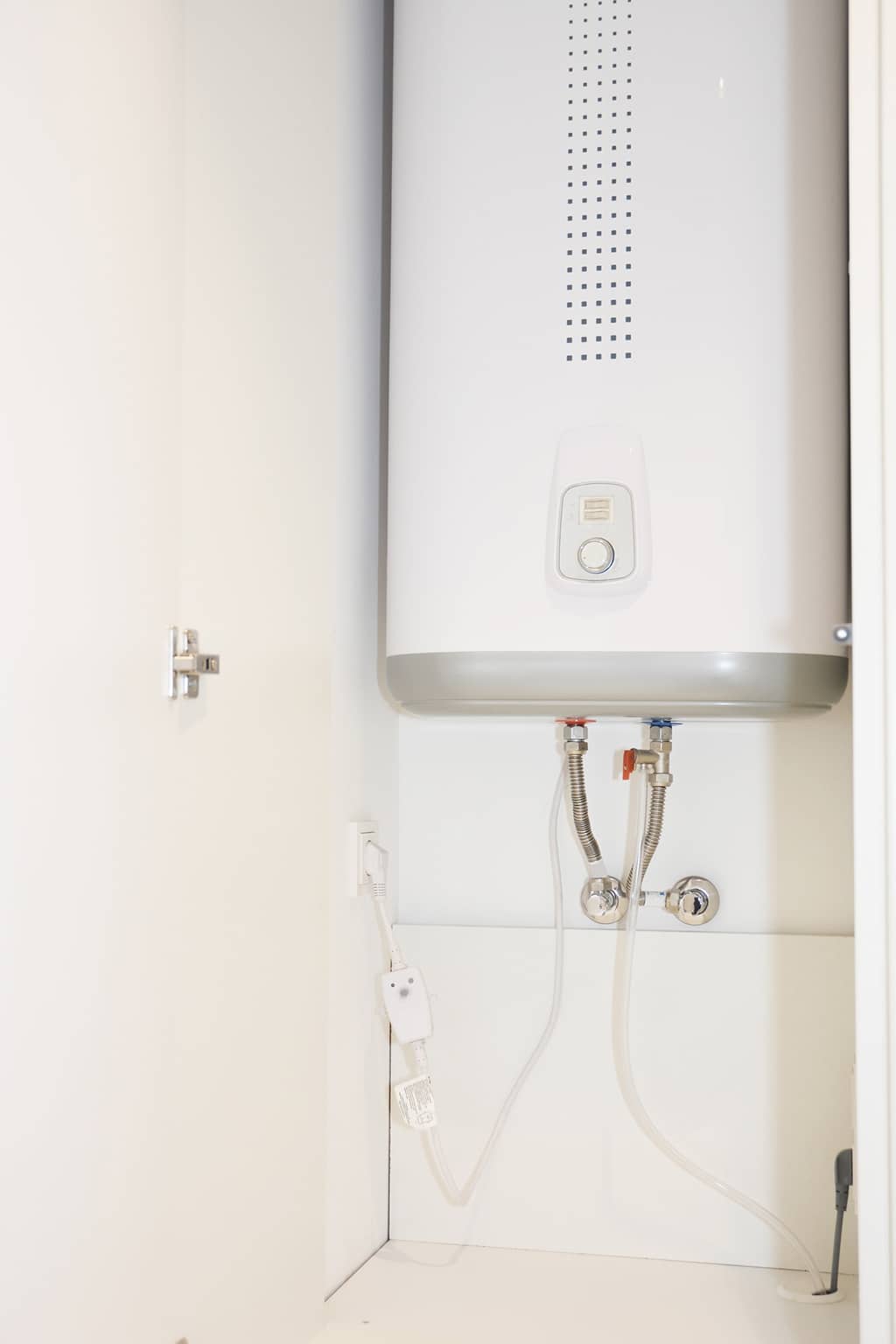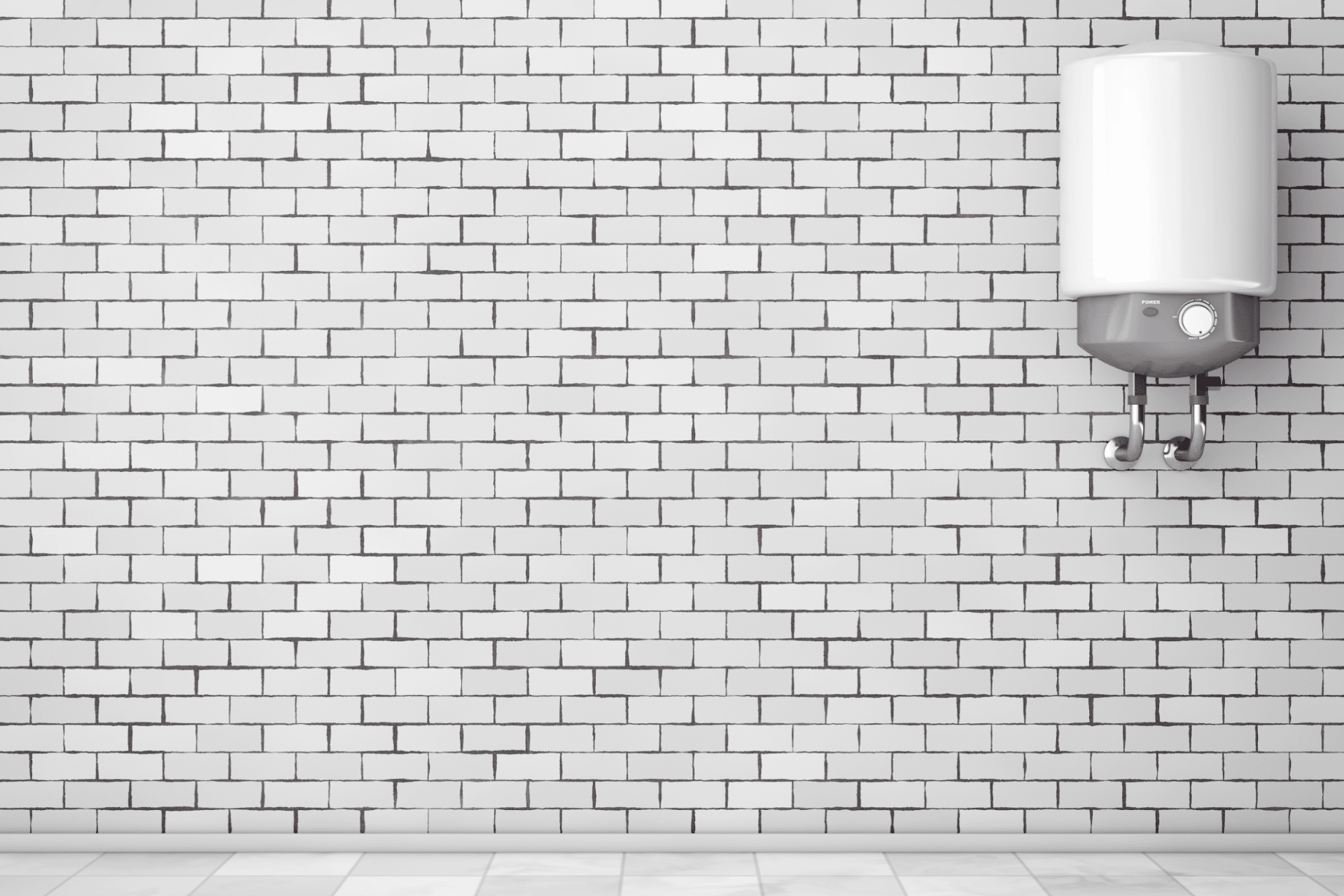
A water heater should work for longer than a decade with proper upkeep. But many homeowners don’t realize that they have options when it comes to these appliances! Beyond the traditional model, there may be alternatives that are a better fit for your family’s needs. Two of the main types of water heaters are tank and tankless, and here at bluefrog Plumbing + Drain of North Dallas, we wanted to break down the benefits of each to help you make the right decision.
The Pros and Cons of Traditional Tank Water Heaters
Tank water heaters are more common because they’re the long-established style. They’re the “tried and true” option, and you can purchase specific types based on the number of people living in your home or the fuel they use, like propane, electricity, or natural gas.
In a traditional tank water heater, a set amount of water is heated and kept ready to use until it runs out and the heater can replace it. Tank heaters are relatively straightforward to install, generally more affordable upfront, and the stored water can serve as an emergency supply if your water service is interrupted.
But there are some drawbacks to a tank water heater. For starters, the hot water is finite; you only have the capacity of the tank, at least until the tank can heat “new” water. So, if your tank is too small for the amount of hot water needed, you and other household members are going to wait for it.
Additionally, the lifespan of a tank water heater is typically about 10 to 15 years, which is lengthy, but not as long as some other options. Tank water heaters also waste energy through what’s called “standby loss,” the heat lost from stored water that cools down while it isn’t being used. Lastly, a large tank always has the potential to leak and cause water damage to your property if a problem isn’t caught soon enough.
Despite a few drawbacks, many people prefer tank water heaters because of their reliability and simplicity.
Tankless Water Heaters: Benefits and Drawbacks
Tankless water heaters are a modern alternative to tank water heaters that provide a continuous supply of hot water whenever it’s needed. That’s one of their main benefits! They heat water on demand, which eliminates standby energy loss. Tankless models have the potential to save energy and have a beneficial environmental impact, too. These are machines that can bring added efficiency to your home, save you space, and last a whopping 20 years or more.
The drawbacks of a tankless water heater include the cost; they are generally more expensive to purchase and install than traditional models, and not every home is set up to support one without upgrades to the gas line, venting, or electrical service. Lastly, a tankless water heater has a maximum flow rate, and a unit that’s too small may not keep up with a running dishwasher, multiple showers, and other hot water chores all at once. But if you size it correctly and know that going in, a tankless water heater may be a good choice for you.
Side-by-Side Comparison
- Hot water supply: Tank heaters provide a set amount of stored hot water. Tankless heaters provide continuous hot water up to their flow rate.
- Upfront cost: Tank heaters are generally less expensive to buy and install. Tankless heaters usually cost more, especially if upgrades are needed.
- Operating efficiency: Tankless heaters avoid standby loss. Tank heaters keep water hot around the clock.
- Lifespan: Tank heaters typically last about 10 to 15 years. Tankless heaters can last 20 years or more with proper maintenance.
- Space: Tankless units mount on a wall and free up floor space. Tanks take up more room in a garage, closet, or attic.
- Maintenance: Both need regular attention. Tanks need flushing and anode rod checks, while tankless units need descaling and filter cleaning.
North Dallas Considerations
Hard Water
Much of North Texas has hard water. In a tank heater, minerals settle as sediment at the bottom of the tank, which reduces efficiency and can cause rumbling noises. In a tankless heater, scale coats the heat exchanger and can trigger error codes. Either way, regular maintenance matters here, and many homeowners add a water softener to help protect their investment.
Garage and Attic Installations
Many North Dallas homes have water heaters in the garage or attic. Attic installations need a drain pan and careful attention, since a leak can damage ceilings below. Units in unconditioned spaces also need freeze protection. During Winter Storm Uri in February 2021, many homeowners learned how quickly exposed piping and equipment can freeze, especially during power outages that disable electric freeze protection on tankless units.
Incoming Water Temperature
Tankless output depends on how much the unit has to warm the incoming water. North Dallas tap water is warm in summer and much colder in winter, so a tankless unit should be sized for cold-weather conditions to keep up year-round.
Which One Is Best for Your Home?
A tank water heater may be the better fit if you want a lower upfront cost, a simple like-for-like replacement, or your home’s gas or electrical service would need major upgrades for tankless.
A tankless water heater may be the better fit if your family regularly runs out of hot water, you plan to stay in your home long-term, you want to free up space, or reducing standby energy loss is a priority.
Questions to Ask Before You Decide
- How many people live in your home, and how many showers run at once during busy times?
- How old is your current water heater, and is it showing signs of failure?
- Does your home use natural gas, propane, or electricity for water heating?
- How long do you plan to stay in your home?
- Where is the water heater located, and is there room for venting changes?
Why Professional Installation Matters
Whichever type you choose, proper installation is essential for safety and performance. A licensed plumber will size the unit correctly, make sure gas lines and venting meet code, install required safety devices like the temperature and pressure relief valve, and pull permits where your city requires them. A poorly installed water heater can waste energy, wear out early, or create safety hazards.
Find the Right Water Heater With bluefrog Plumbing + Drain of North Dallas
If you’re approaching the time to replace your water heater, our licensed plumbers can walk you through tank and tankless options, explain the tradeoffs for your specific home, and give you upfront pricing before any work begins. We serve Frisco, Plano, McKinney, Lewisville, Flower Mound, and communities across North Dallas, 24/7. Call bluefrog Plumbing + Drain of North Dallas for details.