Key Takeaways About Drain Vent Balancing
Drain vent balancing means matching vent capacity and airflow so traps stay sealed and sewer gas stays out. This guide is for homeowners and property managers noticing gurgling or odors during normal or peak plumbing use.
- Identify which fixtures gurgle or emit sewer odor during use
- Prevent trap siphoning by keeping vents clear and properly sized
- Avoid improper AAV placement that can mimic blocked vents
- Spot roof vent obstructions with safe visual or professional checks
- Reduce noise and odors by testing vents with smoke or camera
- Plan professional inspections when multiple fixtures cause recurring problems
Introduction
Clogged smells, gurgling drains, and noisy toilets often point to one hidden issue: poor drain vent balancing in the plumbing system. When vents are undersized or blocked, traps can siphon dry and let sewer gas into bathrooms. Loud whooshes during flushing usually mean air can not move through the vent properly. Homeowners notice these problems more at night when noises and odors stand out.
Proper vent sizing and the choice of air admittance options directly affect how waste water and air leave your home. A vent that meets the pipe size and fixture load prevents negative pressure and keeps traps sealed. Air admittance valves can help where running a vent pipe is impractical but they must be placed and sized correctly. Incorrect use of these valves can create the same smells and sounds you hoped to avoid.
Noise and odor symptoms have real consequences for comfort and health in a house. Persistent sewer smells can trigger headaches and make bathrooms unusable for guests or tenants. Recurrent gurgling and slurping noises can also signal a developing clog or partial blockage in the vent stack. Addressing the root venting issue avoids repeated repairs and cosmetic fixes that do not solve the problem.
Homeowners in Wylie, TX or property managers in Plano, TX often notice these issues after remodeling or when multiple fixtures run at once. A plumber will observe the sounds, test trap seals, and inspect vent stacks or air admittance valves to confirm the diagnosis. Photos, smoke tests, or simple trap water checks often provide the evidence needed. If you notice recurring smells or loud drain sounds, contact a licensed professional for a proper evaluation.

How Drain Vent Balancing Works And Why It Matters
Drain vent balancing means matching vent size and air flow to fixture demand so traps stay full and sewer gas stays out. Proper balancing keeps water moving smoothly and prevents negative pressure that can empty P-traps. Homeowners often ask whether a noisy flush means a vent problem, and the answer is often yes when gurgling accompanies odors. A simple check is whether multiple fixtures running together increase the noise or smell.
- Right-size vents for the number of fixtures served.
- Keep vent stacks and AAVs clear of debris.
- Place air admittance valves where code allows and they can vent properly.
- Use smoke or dye tests to confirm airflow and trap integrity.
Air wants a clear path either up the vent stack or through an air admittance valve when fixtures drain. If the path is too small or blocked, negative pressure pulls water from the trap and lets sewer gas into the room. A plumber will watch a toilet or tub while another fixture runs to observe gurgling, which helps confirm restricted airflow. They may also use a smoke test to visualize where air escapes or stalls.
Proper pipe diameter and slope matter for balancing at branch and stack lines, especially when several fixtures discharge at once. Undersized vent branches cause whooshing noises and intermittent odors during peak use. For recurring or unclear cases, a professional inspection combined with drain cleaning can identify blockages or mis-sized vents.
Common Causes Of Noisy And Smelly Drains
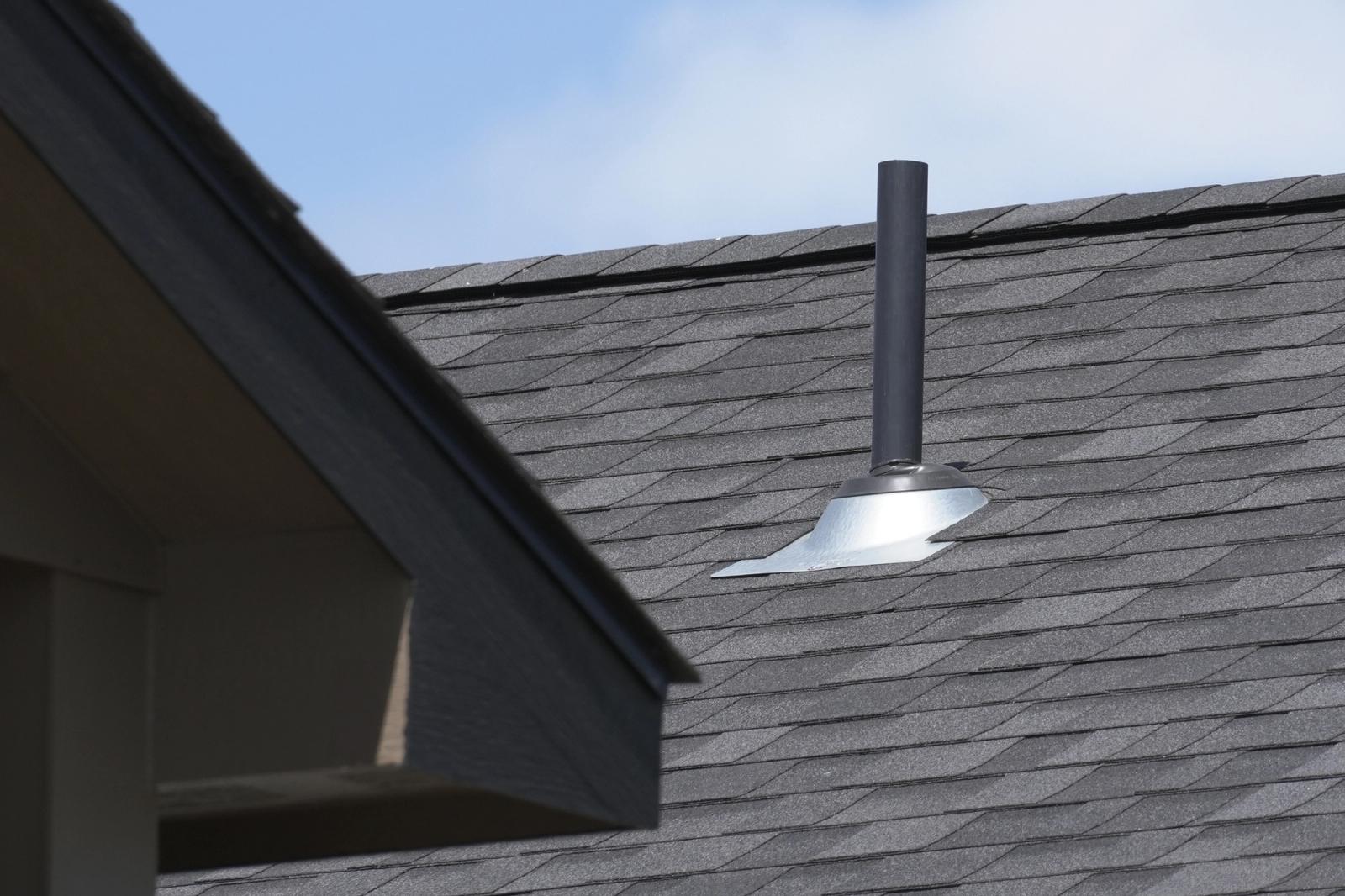
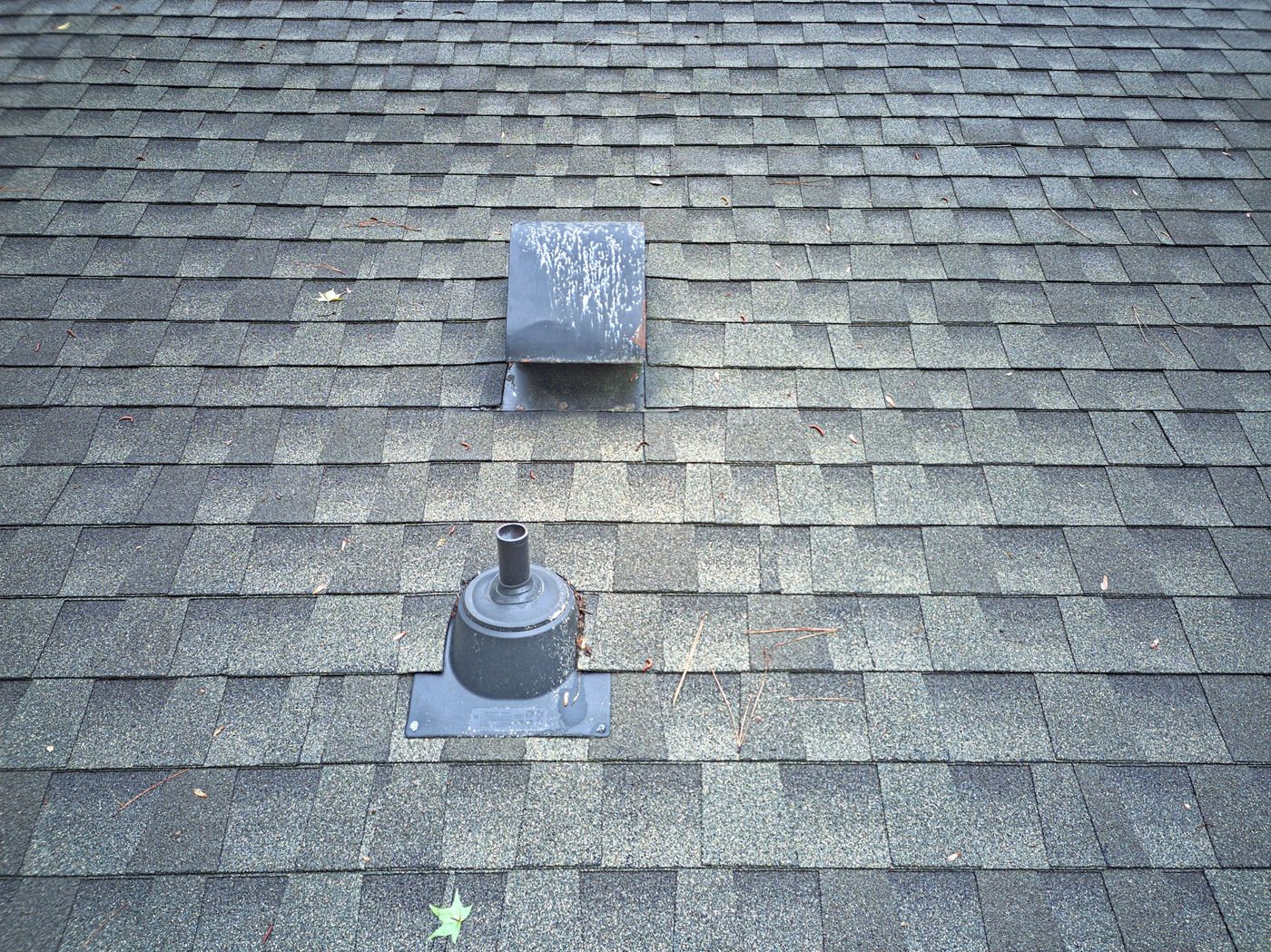
Blocked vent openings and roof debris often start the chain that leads to persistent odors in bathrooms. Leaves, bird nests, and even ice can restrict air flow through a vent stack and cause traps to lose their seal. A partially blocked vent may let air through slowly, producing intermittent gurgling during a shower or when a washing machine drains. Technicians confirm this by inspecting the roof vent and using a flashlight or camera down the stack to look for obstructions.
Undersized vent branches create pressure shifts when multiple fixtures run at once, producing loud whooshes or slurps during peak use. Plumbing vent sizing errors happen when remodels add fixtures without recalculating fixture unit load or pipe diameter. A plumber checks branch sizes, measures pipe diameters, and compares fixture demand to expected vent capacity during a diagnosis. They may also run two fixtures simultaneously to reproduce noise and observe how air moves in the system.
Faulty or mislocated air admittance valves can cause smells and noise that mimic a blocked vent stack. An AAV that sits below the flood level rim or inside a confined cabinet may not open properly, so negative pressure builds and traps siphon. Professionals test AAV operation by creating a controlled vacuum at the fixture drain and watching for valve response and trap seal loss. Replacing or relocating the valve to code-compliant positions often resolves the issue.
Hidden partial blockages inside horizontal drain runs or at the vent-to-stack junction make symptoms worse and harder to find. Hair, grease, or mineral deposits can narrow a passage until flow becomes turbulent and noisy during discharge events. Plumbers use camera inspections and sometimes smoke tests to pinpoint blockages, then recommend targeted cleaning or pipe repair based on the footage. For more complex problems or service scheduling, consider contacting our plumbing services or checking our service areas for availability in Wylie, TX and Plano, TX.
Recognizing Warning Signs Of Venting Problems Early
Watch for patterns in when smells or noises appear, since timing narrows likely causes quickly. If odors spike after long periods of non-use, traps might be slowly leaking air or evaporating. Persistent odors that happen only when fans run suggest negative pressure drawing sewer gas through gaps. Note whether one fixture or all fixtures show the symptom to guide inspection focus.
Listen for changes in sound character during fixture use, because pitch and duration hint at location of the restriction. Short sharp whooshes during a toilet flush point toward a nearby undersized vent branch. Long, low gurgles during a bathtub drain often mean air struggles to travel up the main stack. Record when noises occur to show a technician during diagnosis.
Simple homeowner checks can confirm a venting problem before calling a pro and help the technician prioritize tools. Fill a sink and then drain it while observing a nearby fixture for gurgling or trap loss to reproduce the issue. Use a flashlight to inspect visible vent openings on the roof for obvious debris before a professional rooftop check. If you find an AAV or want to learn more about placement and options, review information about air admittance valves to compare designs.
A professional diagnosis uses measurable steps to confirm vent faults and rule out other causes like partial drain blockages. A plumber may run two fixtures at once, perform a smoke test, and use a camera to inspect the vent stack and trap assemblies. They will verify trap water levels, check closures and vent pipe diameters, and document findings with photos or a written report. For recurring issues in Wylie, TX or intermittent odors at a rental property in Plano, TX, these inspection outputs help decide repair scope and next actions.
Proper Vent Sizing Guidelines For Bathroom Fixtures
Start by matching vent diameter to the combined fixture unit load for the bathroom group to avoid negative pressure during heavy use. A plumber measures pipe size and counts fixture units to determine the correct vent size. Proper slope and uninterrupted vertical rise matter to keep air moving without turbulence. Incorrect branch lengths can force air through small openings and create noise.
- Count fixture units served by the vent.
- Measure branch and stack diameters accurately.
- Limit horizontal vent runs where possible.
- Keep vent connections above the flood rim.
- Use larger vents when multiple fixtures drain simultaneously.
Vent sizing often follows either the main stack capacity or individual branch requirements depending on layout and building code. A technician will compare measured fixture load to recommended pipe diameters and adjust vent size accordingly. They may replace undersized branch vents with larger diameter pipe to balance airflow. Proper sizing reduces pressure swings that otherwise risk trap seal loss.
For remodels where routing a full vent is difficult, consider relocating fixtures or adding a wet vent that meets code limitations. A professional can test the revised configuration with pressure checks and smoke tests to confirm airflow. Homeowners in Wylie, TX should expect these diagnostic steps when assessing vent changes. For repair work or adjustments, review options with a licensed plumber and consider scheduling routine plumbing repair.
When multiple bathrooms drain at once, increase vent capacity or add dedicated vents to prevent simultaneous siphoning. A plumber will simulate peak demand by running fixtures together to observe gurgling and trap behavior. They may use a camera to confirm clear connections and measure pipe slopes. Property managers in Plano, TX often request this testing after renovations to ensure code-compliant vent sizing.
Air Admittance Options Versus Traditional Vents
Traditional vent stacks provide a continuous path for air to travel through the roof and out of the system, which most plumbers prefer for predictable airflow. Air admittance valves offer a mechanical alternative where running a vent pipe is impractical, but they only admit air into the system and do not exhaust gases to the roof. When choosing between the two, consider access, roof penetrations, and where the valve would sit relative to fixture flood rims. A professional will evaluate layout constraints and serviceability before recommending an AAV or new vent run.
Installation location matters more for air admittance devices than for stacks because AAVs need dry, accessible spaces to operate reliably. An AAV placed inside a cabinet or below a sink drain may see humidity and debris that shorten its life, so technicians prefer accessible vertical locations. Conversely, a roof vent avoids humidity issues but requires flashing and proper roof sealing to prevent leaks. A plumber inspecting your system will weigh those trade-offs and report corrosion, flashing condition, or cabinet clearance in their written findings.
Performance differences become clear during diagnostic checks that reproduce negative pressure events in the system while observing valve response or stack airflow. A tradesperson might run a toilet and then a sink while watching for gurgling and using a smoke test to see where air moves. They will note whether an AAV opens promptly and reseals without leakback or whether a vent stack shows restricted flow or roof obstructions. Recorded footage or smoke test photos help decide whether replacing an AAV, upsizing a vent, or installing a new stack is necessary.
For new builds or major remodels, planning venting early avoids retrofit complications and often reduces long-term noise and odor risks. Homeowners pursuing renovations should discuss vent routing during framing to allow proper vertical runs or future roof access when needed. Builders and property managers in Wylie, TX sometimes add pre-vented stacks during new construction planning to simplify later maintenance.
DIY Noise And Odor Cures For Homeowners
Start with simple checks you can do safely from inside the bathroom to reduce noise and odor. Run water into the fixture and watch adjacent traps for bubbling or water loss to confirm partial siphoning. If a nearby tub or sink gurgles when the toilet flushes, note which fixtures act up and how often during peak use. Keep records of these observations to show a technician if the issue persists.
Clean accessible trap openings and pop-up assemblies to remove hair and debris that cause turbulence and odors without touching sealed traps. Use a hand auger or drain snake for visible blockages in horizontal runs, but stop if resistance feels hard to avoid pipe damage. After clearing, pour water into traps to restore the seal and test for lingering smells. If smells return quickly, consider that vent airflow, not the trap, may still be compromised.
Check any air admittance valve you can reach for signs of wear, corrosion, or loose fittings that let sewer gas leak into cabinets. Replace a worn AAV with a UL-listed model rated for the fixture load and install it higher than the flood rim where allowed. If the valve sits in a damp cabinet, reposition it into drier space or plan for a vent run during future work. For larger projects that risk repeated vent problems, evaluate full pipe replacement or upgrades like repiping to improve long-term airflow.
If noises persist after these DIY steps, perform a basic roof-vent check from ground level by listening near the stack during a drain event if safe to do so. For properties in Wylie, TX or rental units in Plano, TX, keeping a log of times and sounds helps a plumber reproduce the issue faster. Avoid climbing on roofs or inside narrow spaces, call a professional when access or safety is a concern. A licensed plumber will follow with camera inspection and smoke testing when needed to confirm vent balancing defects.
When To Call A Pro For Drain Vent Balancing
If you notice recurring gurgles, persistent sewer odor, or traps losing water despite DIY checks, it's time to call a professional. A licensed plumber will perform tests that go beyond homeowner tools to confirm whether vents, AAVs, or drains cause the issue. They can safely access roof stacks, run camera inspections, and perform smoke tests to visualize airflow and leaks. Early professional diagnosis prevents repeated temporary fixes that fail to address the underlying vent balancing problem.
- Inspect vent stacks from the roof safely.
- Run a camera through vent or drain lines.
- Perform smoke testing for airflow visualization.
- Measure vent and branch pipe diameters.
- Test AAV operation under load.
Technicians will check specific components like trap seals, P-traps, vent stack connections, and AAV placement during diagnosis. They will document findings with photos and a written report you can review before approving repairs. For complex cases they may coordinate leak or pressure testing alongside the vent inspection for clarity. If a hidden leak appears likely, professionals can include leak detection services to find the source precisely.
Call a pro promptly when noises or odors worsen with multiple fixtures running or after a remodel changed plumbing layouts. Property managers in Plano, TX commonly request a full diagnostic when tenants report repeated sewer smells. Homeowners in Wylie, TX should schedule inspection sooner if odors persist after simple fixes, since trapped sewer gas presents health and habitability concerns. A trained plumber will outline repair options, estimated timelines, and whether vent upsizing, AAV replacement, or targeted cleaning best restores proper drain vent balancing.
Preventive Maintenance Tips To Keep Vents Clear
Schedule an annual vent check to catch slow-developing blockages before they cause trap seal loss or odors. A technician will clear roof stacks and inspect visible branch connections during the service. They often include camera inspection of horizontal runs when debris or grease could narrow the pathway. Regular checks reduce the chance of emergency visits caused by sudden vent failures.
Keep attic and crawlspace vents clear to prevent condensation or debris from affecting AAVs and vent piping performance. Technicians can test AAV response and replace aging valves that stick or leak under load. When replacing vents, ask about upgrading to corrosion-resistant materials that last longer in humid spaces. Proper mounting height and dry locations improve long-term valve function.
Flush water through seldom-used traps monthly to keep seals intact and avoid slow evaporation that invites sewer gas into bathrooms and closets. Refill P-traps after extended vacancy or seasonal absences to maintain barrier integrity. If a trap repeatedly loses water, document the frequency to help a plumber isolate a vent or leak issue. Frequent failures often lead professionals to perform smoke or pressure tests for confirmation.
Inspect horizontal vent runs during routine maintenance since sagging or standing water can collect debris and restrict airflow slowly. A plumber may recommend targeted repairs like localized pipe replacement or trenchless pipe repair when access is limited or soil disruption must be minimized. For rental properties in Plano, TX, include vent checks in turnover inspections to prevent tenant complaints. Homeowners in Wylie, TX should also note any new odors after yard work or roof repairs that could disturb vent openings.
Frequently Asked Questions
How does drain vent balancing stop gurgling and odors?
Drain vent balancing ensures pipes get steady air so water flows without creating vacuum pockets that cause gurgling noises. Proper vent sizing or adding an air admittance valve equalizes pressure and prevents sewer gas from being drawn through P-traps. If vents are blocked, a professional will inspect vent stacks, cleanouts, and trap seals to confirm the issue and restore airflow. Caution: avoid climbing roofs or cutting into stacks yourself, hire a licensed plumber for safe, code-compliant repairs.
Could a blocked roof vent cause intermittent sewer smells?
Yes, a blocked roof vent can cause intermittent sewer smells by preventing proper air flow through the drain system. When vents clog, traps can siphon dry during use and allow sewer gases to enter bathrooms. A professional can inspect the vent stack, clean blockages, and confirm vent sizing for steady drain vent balancing. If you notice persistent odors or suspect a roof access risk, hire a plumber rather than climbing onto the roof yourself.
When are air admittance valves a good alternative?
Air admittance valves work well when running a full vent stack is impossible due to roof or layout constraints. They provide one-way airflow at fixture branches to prevent trap siphonage and help with drain vent balancing. Installations must meet local code and vent placement rules, so consult a plumber to confirm compliance. Caution: improper sizing or location can cause odors or backflow, so hire a licensed professional for inspection and installation.
How do plumbers test and confirm vent sizing issues?
A plumber starts with observable symptoms like gurgling, slow drains, or sewer odors and notes which fixtures are affected. They inspect the vent stack, roof terminations, and visible branch vents for blockages, damage, or improper slopes. Technicians use smoke testing, trap seal gauges, and drain flow observations to confirm vent sizing and overall drain vent balancing, recording findings. If tests suggest unsafe work at the roof or inside vents, stop and hire a licensed professional to complete repairs safely.
What homeowner checks reveal AAV or trap seal failure?
Check for gurgling sounds when other fixtures run, persistent gurgles often point to a failed air admittance valve or venting imbalance. Look for slow drains and bubbles in a toilet after nearby fixtures discharge, which indicate trap seal loss. Smells in the bathroom that come and go with plumbing use suggest trap seal evaporation or AAV leak, if sewage odor persists, stop using fixtures and call a professional. A plumber will inspect the vent stack, test AAV operation, and use simple smoke or dye checks to confirm the issue safely.